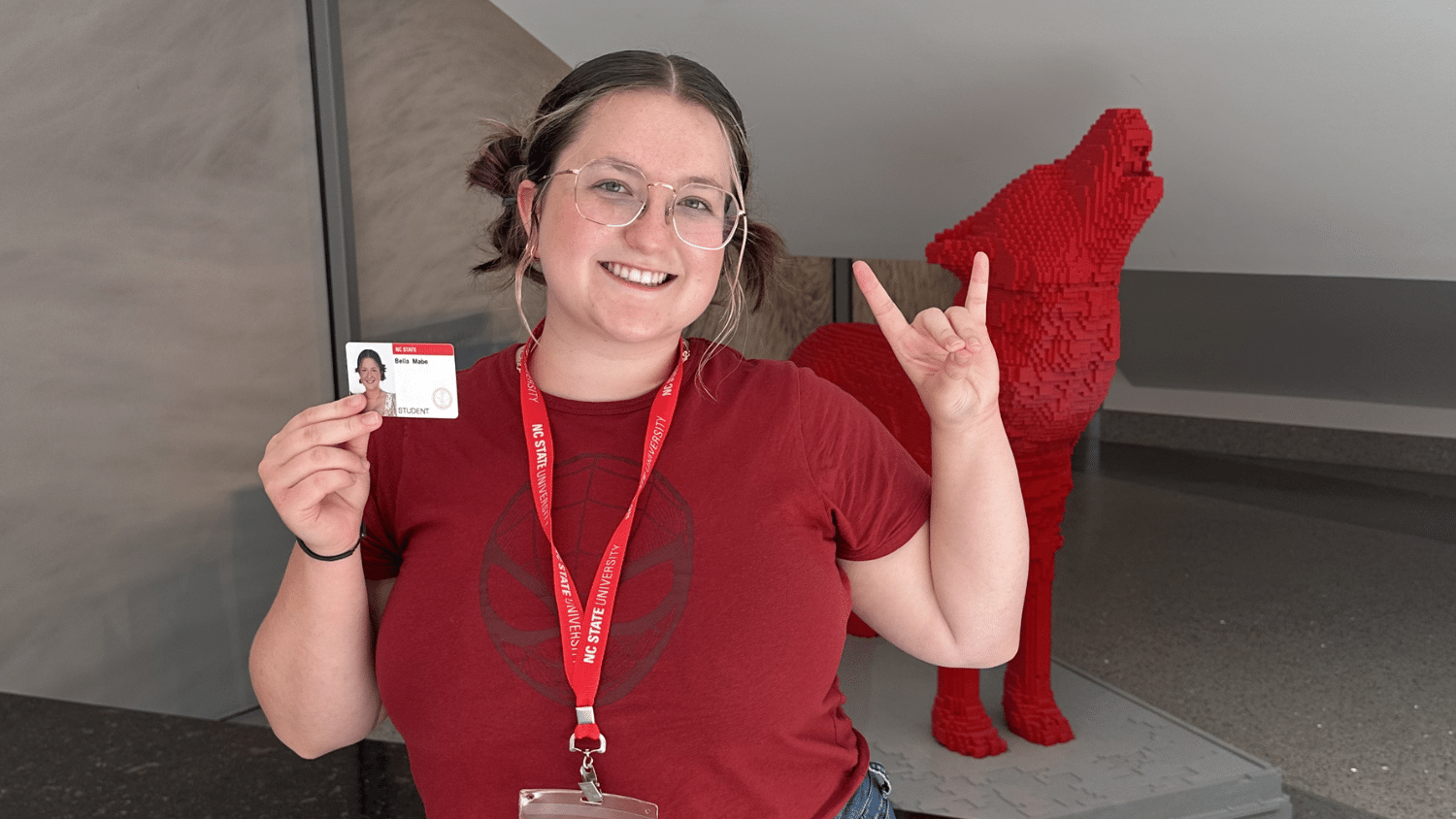
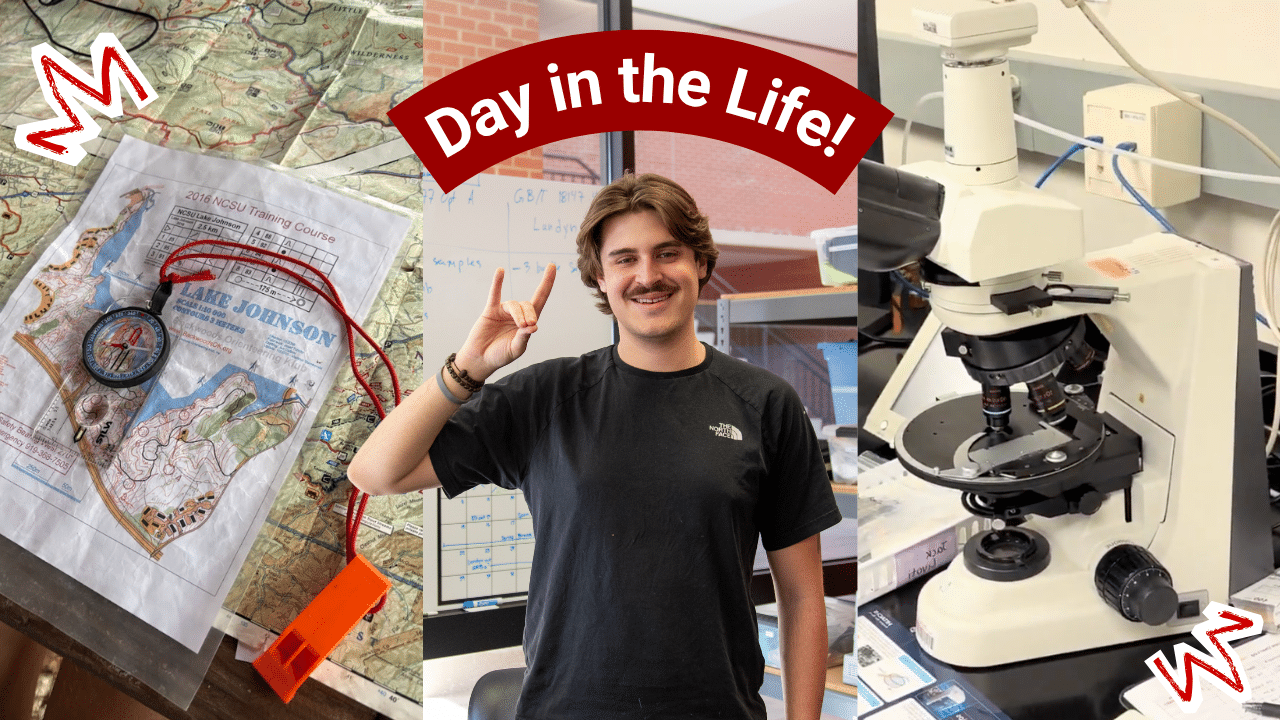
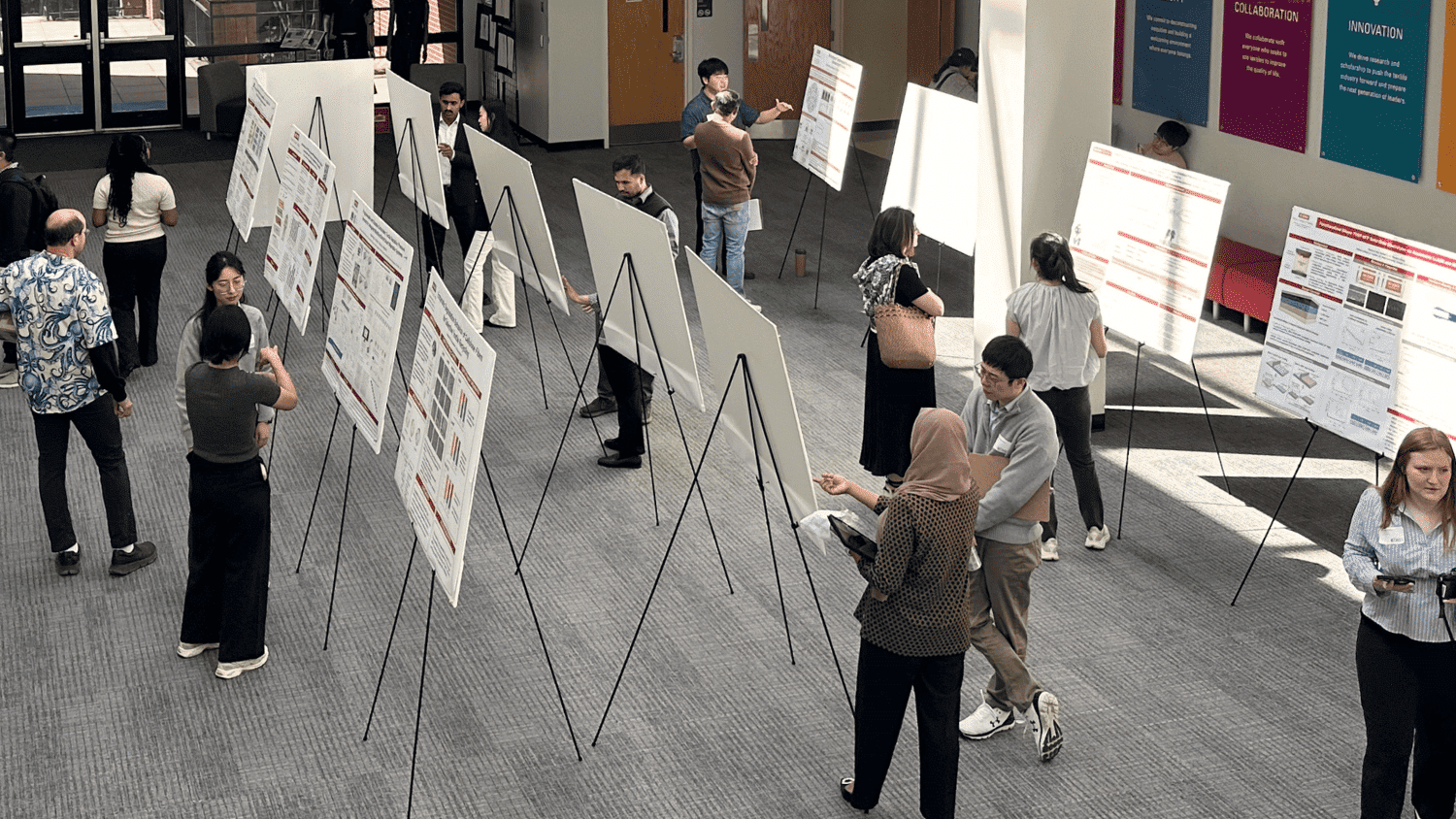
High Schoolers Get a Taste of Academic and Campus Life at the Wilson College
The Summer Textile Exploration Program (STEP) gives high schoolers the chance to live on campus and study at the Wilson College of Textiles.
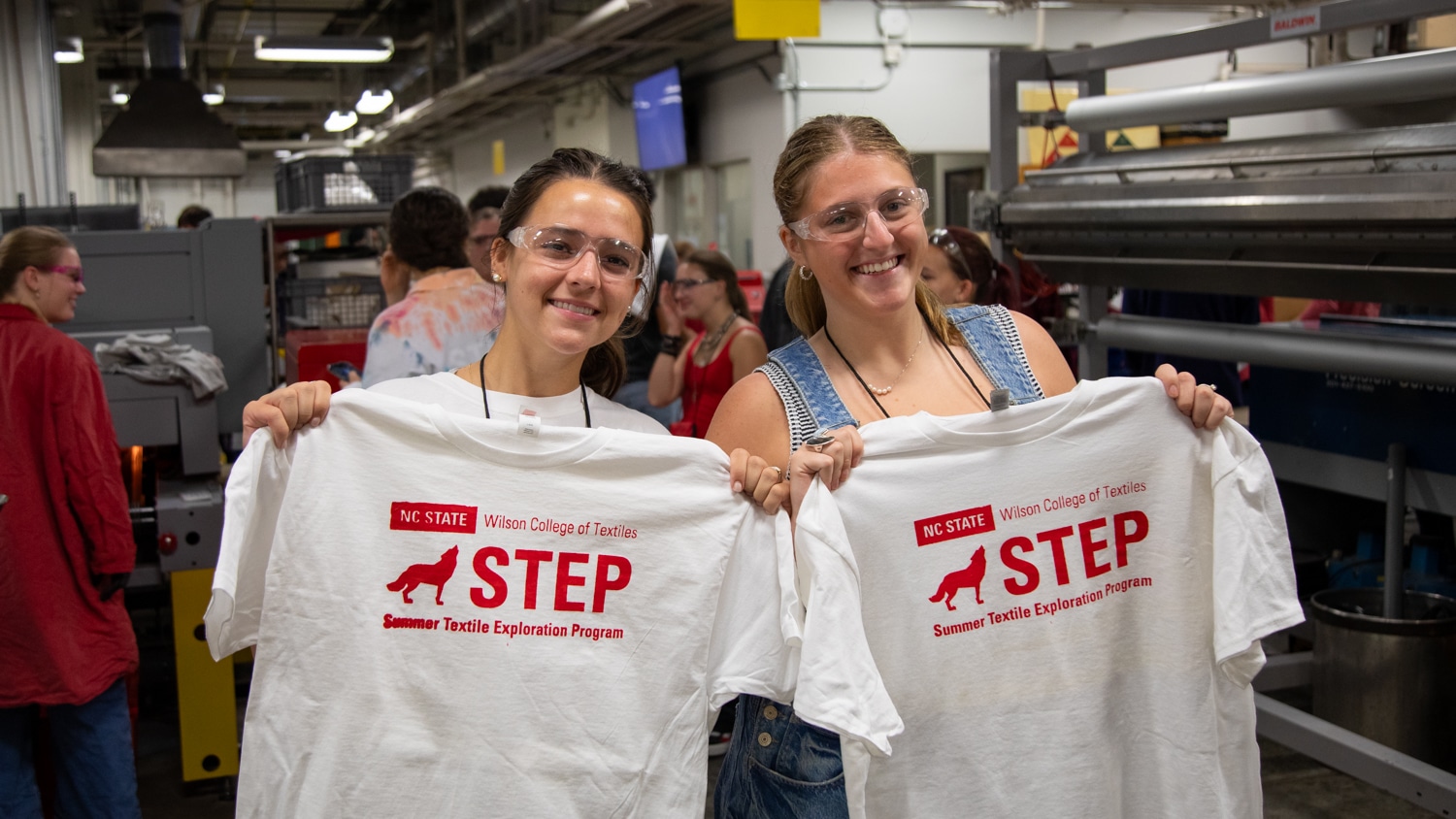
For rising seniors in high school, there is no better way to gain an understanding of the Wilson College of Textiles than through the Summer Textile Exploration Program (STEP).
Whether they are looking to investigate a niche academic field, explore NC State’s campus or check out the technology and equipment available to Wilson College students, STEP participants get the full campus experience for an entire week’s stay.
“The point of STEP is for the student to immerse themselves in life as a student at NC State and in the Wilson College, and in the subject matter of the project that they chose, so that they can envision themselves here,” says Associate Director of Student Recruitment and Engagement Merica Petteway, who has been at the helm of STEP through recent years.
“They eat in our dining halls, they live in a residence hall, they ride the Wolfline as their main form of transportation throughout the week,” Petteway says. “It’s a really great opportunity for them to see what it’s like functioning between Main and Centennial Campus.”
A sample size education
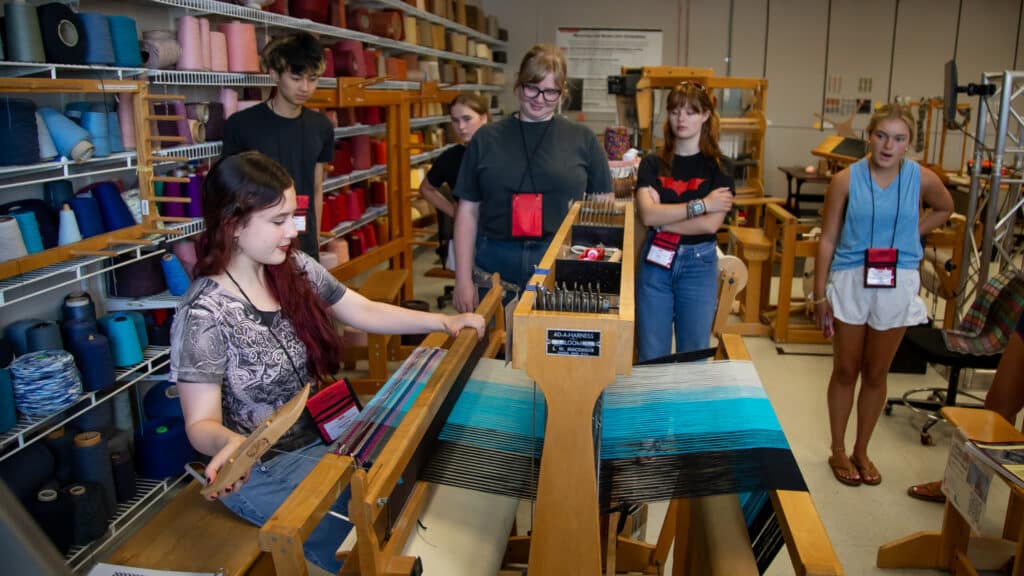
STEP participants encounter everything from hand-weaving looms to Photoshop design to chemistry experimentation. In their initial applications, students indicate their interest in either textile design, polymer chemistry, fashion design, brand management, or textile engineering/technology – each a prominent subsection of the Wilson College.
As they learn from the same professors that teach classes to enrolled students year-round, “it gives them a nice taste so that they can get an idea of what to expect their classes to look like,” Petteway says.
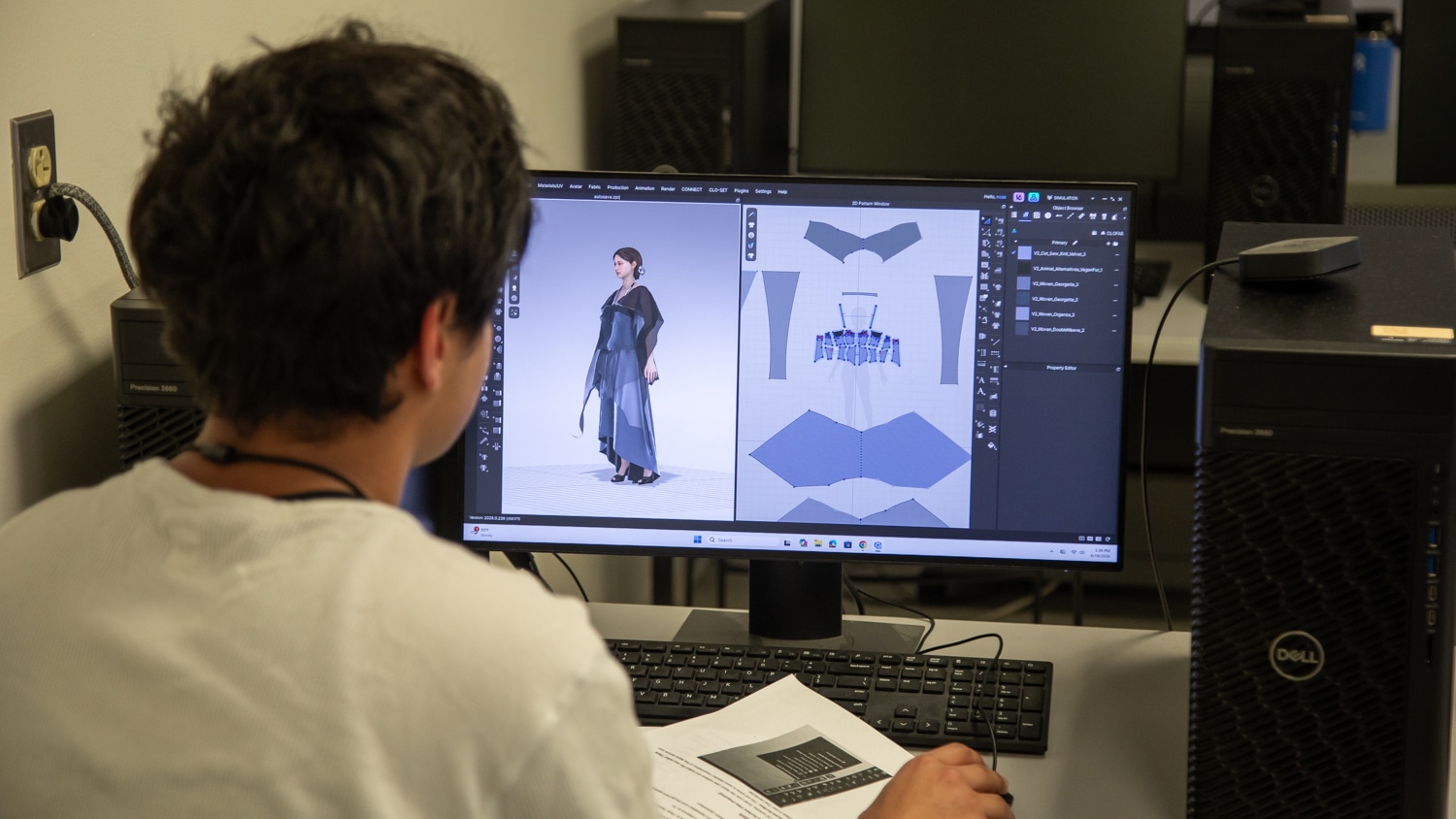
One week might seem like a long time to stay on campus and get a feel for things, but for Associate Professor Janie Woodbridge, it’s barely enough time to scrape the surface of what she teaches students in the textile design degree program.
“Our challenge is to make a course that is really consolidated but intensive, because it’s four hours a day. We do have to curate projects to make them doable within that short period of time,” Woodbridge says. “With complex things like the Jaquard, I really simplify it to get those building blocks out there.”
Woodbridge has been teaching textile design for STEP students for several years. Working with high schoolers, she says, means there is a broader range of engagement and interest, but the fundamentals are the same: support and encouragement.
“With me, teaching is about finding that golden nugget and following it. With these students, if I see them interested, I’ll try to encourage them to push it a little bit further,” Woodbridge says. “I’m just trying to pique their curiosity and see if it’s the right fit for them, and sometimes we can definitely see that early on.”
Securing the pipeline
Textile technology and engineering aren’t the kind of subjects being covered in high schools, Petteway says. STEP is an integral part of getting students interested and informed about niche subject areas, exposing them to the true expanse and impact of the textile industry.
“STEP has been around for a very long time and has consistently been one of our largest recruitment tools here at the Wilson College of Textiles,” Petteway says. ”We see a pretty large percentage of attendees every year go on to enroll.”
Brain Rojo served as a counselor for this year’s STEP students, but he wasn’t always top brass. Rojo was first introduced to the Wilson College via STEP as a rising senior in high school, opening his eyes to a world of possibility in fashion and textiles.
“That week was a highlight of my year. Learning new things, meeting new people – where I come from, there weren’t many people to talk about fashion with. Here, I was just on the bus going somewhere and talking to the person beside me about niche fashion brands and our career goals,” Rojo says. “After STEP, I really knew this was for me.”
Beyond the academic
Rojo is now a rising second-year majoring in fashion and textile management with a concentration in brand management and marketing and is planning to minor in business administration in the Poole College of Management. Inspired by the counselors he connected with as a high schooler, he joined the National Retail Federation (NRF), the professional textiles fraternity Phi Psi and Latinos Unidos en Textiles during his first year at NC State.
“My time at STEP truly reflects how much I’m involved at the Wilson College. It really helped me be a better student and a better person here at NC State,” Rojo says.
“After STEP, I really knew this was for me.”
-Brian Rojo, FTM second-year
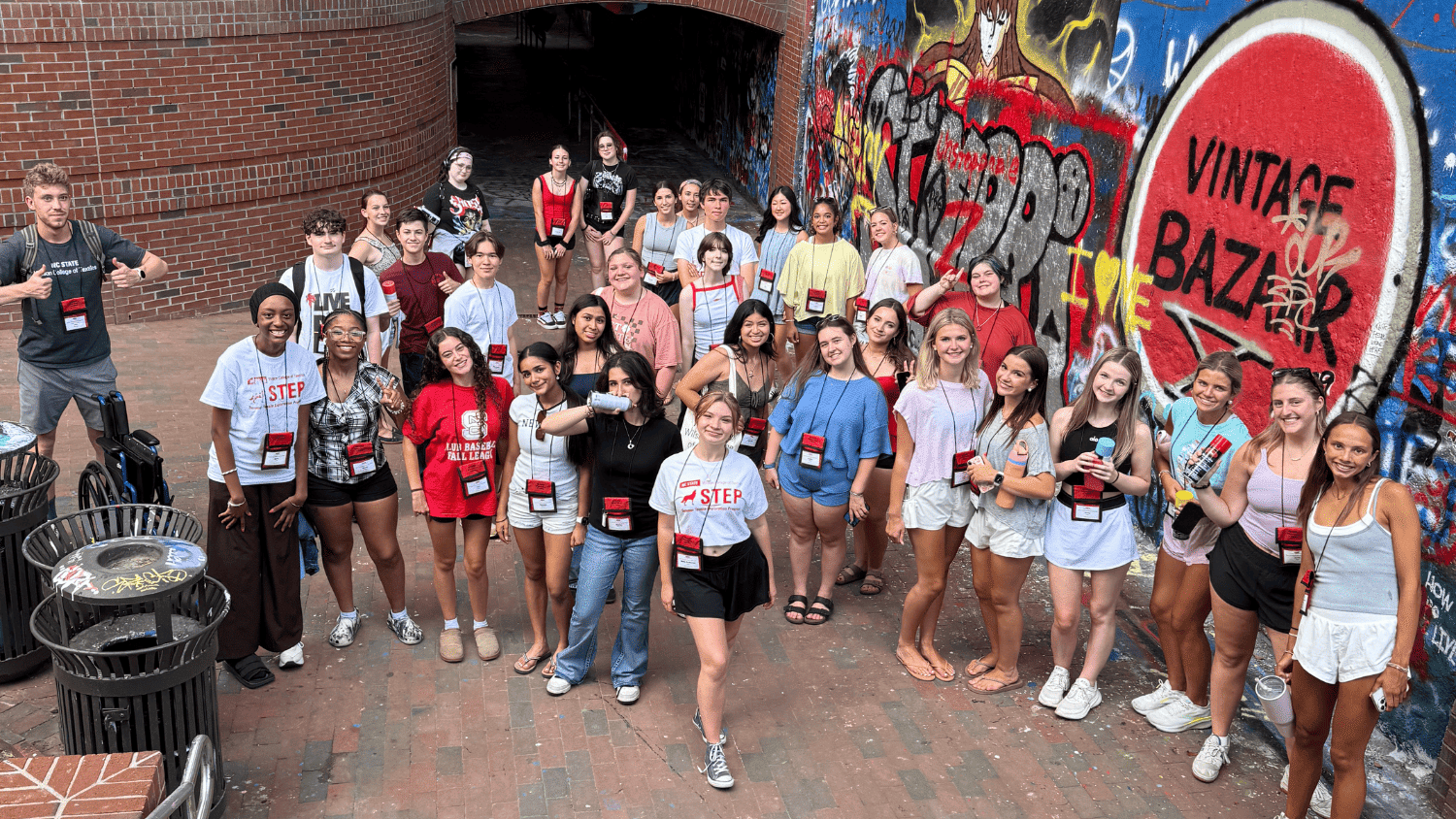
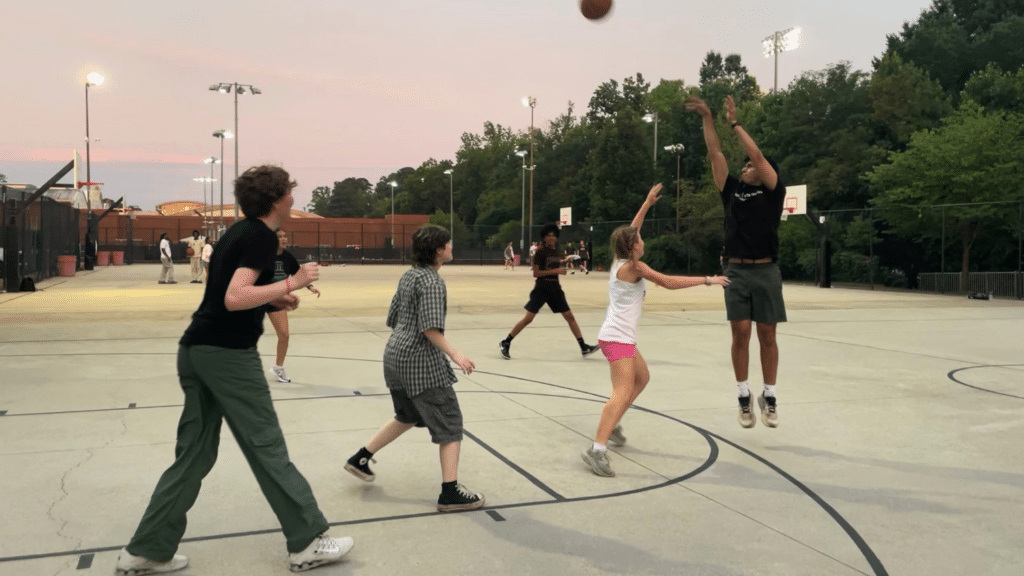
As a counselor, Rojo got to lead students only a few years younger than him on their own journeys. Throughout their week together, the counselors guide participants to their daily classes and tours – but their responsibilities are to foster connections beyond the professional. Counselors manage students’ free time, following the participants’ whims and allowing them to explore all there is to do on campus.
“The energy just radiates off of the other counselors, so getting up early hasn’t been a problem. It just makes you want to be better, makes you want to talk and connect,” Rojo says. “If someone asks to do something and can get a group together, we make it happen, whether it’s spray painting the Free Expression Tunnel, watching World Cup games or going out to get ice cream.”
Petteway emphasized the importance of the social aspect of the program – not only are students getting to know their future studies, but also their future professors, friends and potential roommates. Petteway has now been running STEP for six years and has seen an entire class go from uncertain high schoolers to self-assured young adults entering the workforce.
“Outside of seeing them fall in love with stretching themselves academically, of course, I think seeing that personal growth is just priceless to me,” Petteway says.
No question left unanswered
Among their many information sessions and tours of campus, participants can ask any question they want at the Counselor’s Panel, whether it is about personal experiences in school or broader career dreams.
“There’s never, ever silence. In fact, we have to cut the panel short each week,” Rojo says. “They always ask us about our goals, ambitions. It’s special to talk about how I came to my own aspirations, and then how I think NC State is going to get me there.”
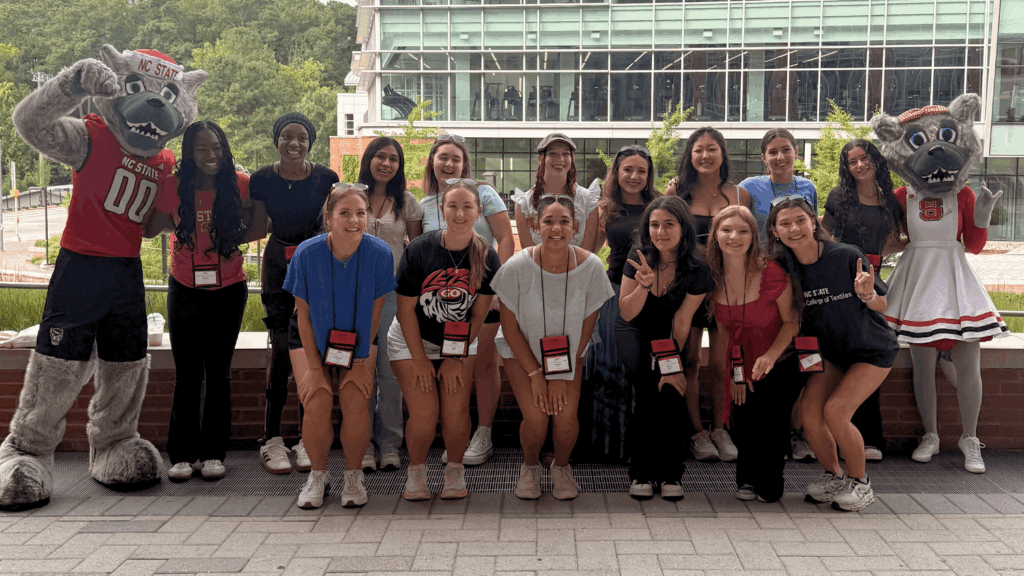
Merica Petteway says the faculty involved with STEP hope to illuminate the murky process of applying to college and get students excited about textiles. While students only stay for a week on campus, they are guaranteed to come away with practical knowledge and a better sense of what direction they want to head in.
“Our participants leave knowing a lot more about the process, I’d say, than the average student,” Petteway says. “Any anxiety or worry that they have about applying to a huge institution like NC State, we are there to meet them with the answer.”
- Categories: