NC State Students Collaborate with ALS Patients, Merging Fashion with Adaptability
A group of seniors from the Wilson College teamed up with the founder of Duke University’s ALS Clinic, Richard Bedlack, to create a stylish collection that accommodated patients with limited mobility.
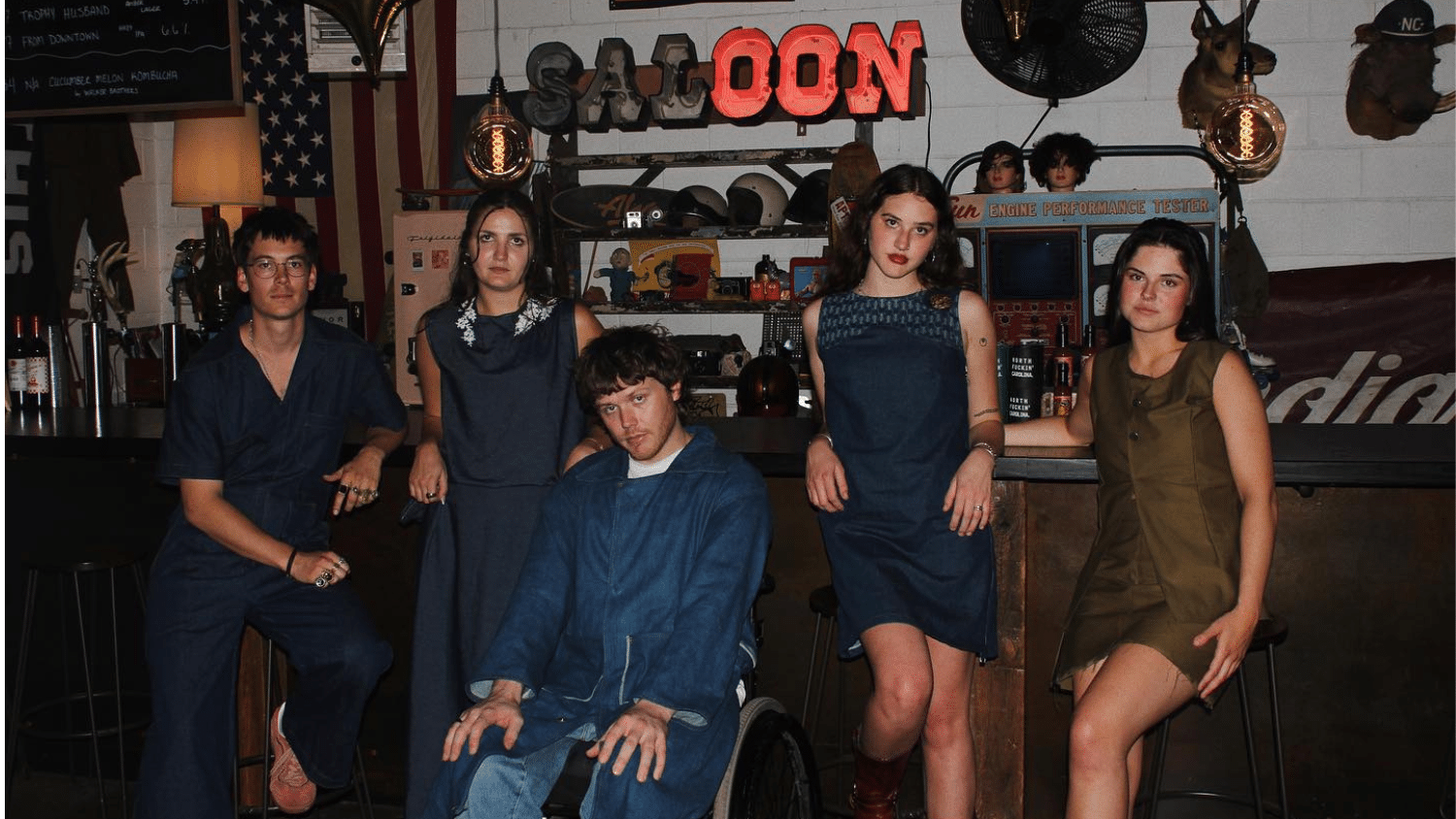
Magnetic closures, wrap skirts and wide sleeves: These are all adaptive design choices made by a group of the Wilson College of Textiles students for their western-inspired apparel line, “Outlaw.”
In their final semester, fashion and textile management (FTM) students in the fashion development and product management concentration complete FTM 415: Fashion Product Development, a capstone course where students work in groups to create an apparel line. The project covers the entire product development process: Group members select a target market, create prototypes, design garments and develop a marketing plan.
This semester, one group chose to create an apparel line for ALS patients.
The idea first came about when Dr. Richard Bedlack, neurologist and founder of Duke University’s ALS Clinic, reached out to the Wilson College of Textiles.
Known for his striking fashion sense, Bedlack saw the way his outfits – like a two-piece suit covered in rhinestone decals of motor neurons, blue cornflowers and a UFO – brought joy and hope to his patients. He believed they deserved fashionable clothes that made them feel good, too.
It was Assistant Professor of the Practice Sam Pearce, with a studio full of adaptive machines, extensive research on universal design and a group of hardworking students, who answered Bedlack’s request for stylish, adaptive clothing.
Building the collection
The group of five students chose to pull elements from desert living and western style, using denim – a material not traditionally associated with adaptability – to create a fashionable collection.
“My group this semester heard one of the ladies from Her ALS Story talking about how she really liked denim, but no denim outfits were inclusive,” Pearce says.
The creative process began with the group members considering what garments they would want to wear themselves. Then, they met with Bedlack and some of his patients to get feedback on how their designs could be altered to accommodate ALS patients’ needs.
ALS is a degenerative disease of the motor neurons, meaning as it progresses, patients gradually lose mobility. To accommodate, students incorporated different design elements that would be comfortable for patients throughout different stages of the disease.
“At first, a simple zipper on the side might be functional,” says group member Nikki Miller. “But then there comes a point where ALS patients can’t use their hands to grab onto something like that, so we opted for magnetic closures that resembled traditional buttons and zippers.”
The group then created “tech packs” for each garment. Tech packs essentially act as blueprints for manufacturers, and include all necessary measurements and materials as well as detailed drawings and estimated prices.
After completing the technical work, the group created an ad campaign, complete with a Western-inspired photoshoot, planned social media posts and personalized graphics.
Promoting universal designs
Whether or not the students chose to participate in the project, Pearce invited the entire class to attend meetings with various ALS organizations. She hoped it would both educate and influence young designers to pitch adaptive ideas in their future designs.
“All of the students that participated in this project said that they would be likely to advocate for it in their future workplaces.”
For many of the group members, creating designs for an underserved group was both eye-opening and rewarding.
“The best part was how excited the patients we worked with were. It really showed the lack of accessibility in their current selection,” Jackson Davis, one of the project’s group members, says. “All of them were so over the moon that we had taken the steps to incorporate their suggestions.”
- Categories: