Beautiful, Functional Pieces and Fine Art Coexist in Capstone Collections
Seniors in NC State’s textile design program spend the semester developing unique, professional-caliber collections in the Wilson College of Textiles’ labs and studios.
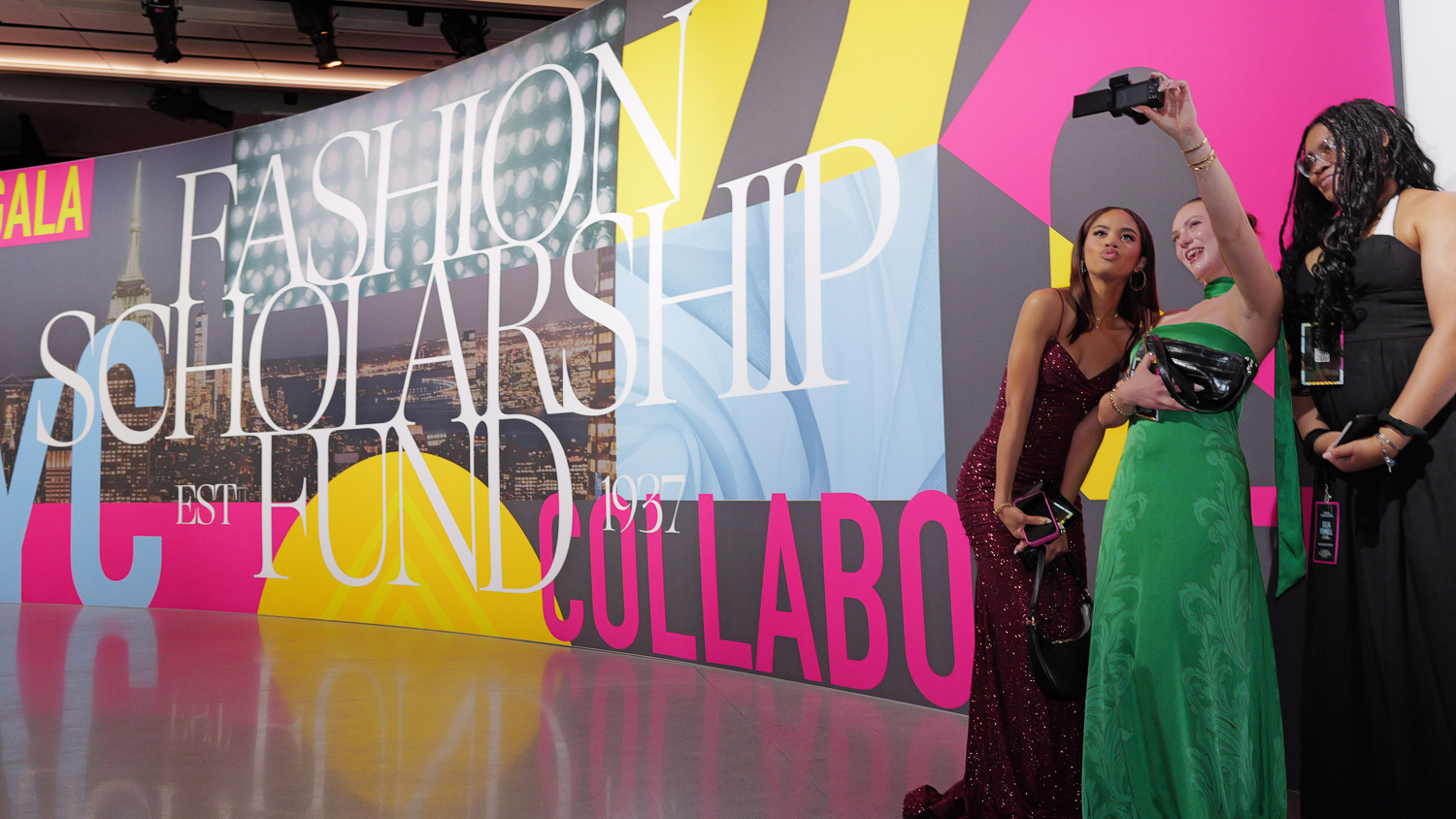
The Emerging Designers Textile Design Gala feels a little like a choose-your-own-adventure book brought to life.
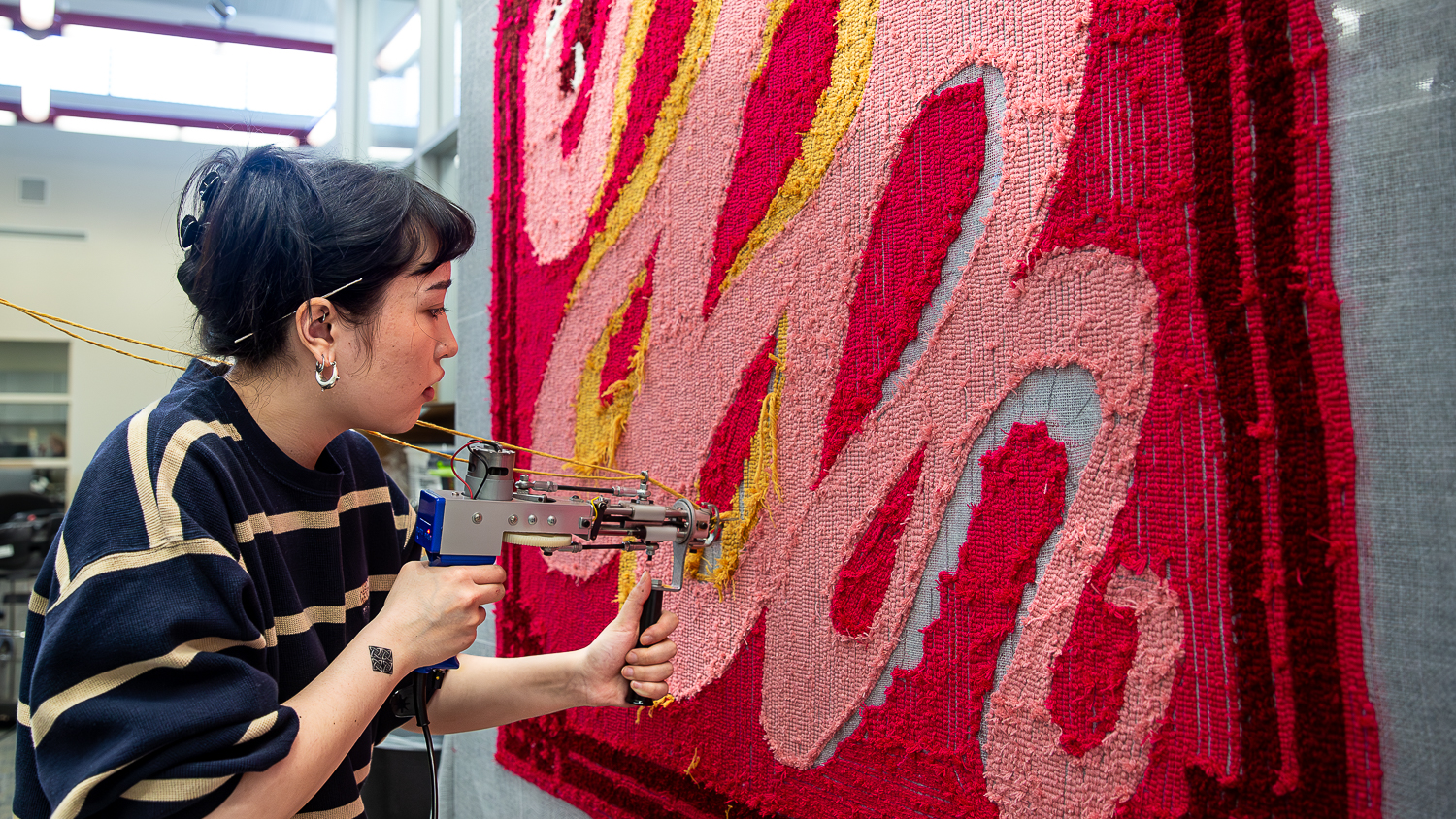
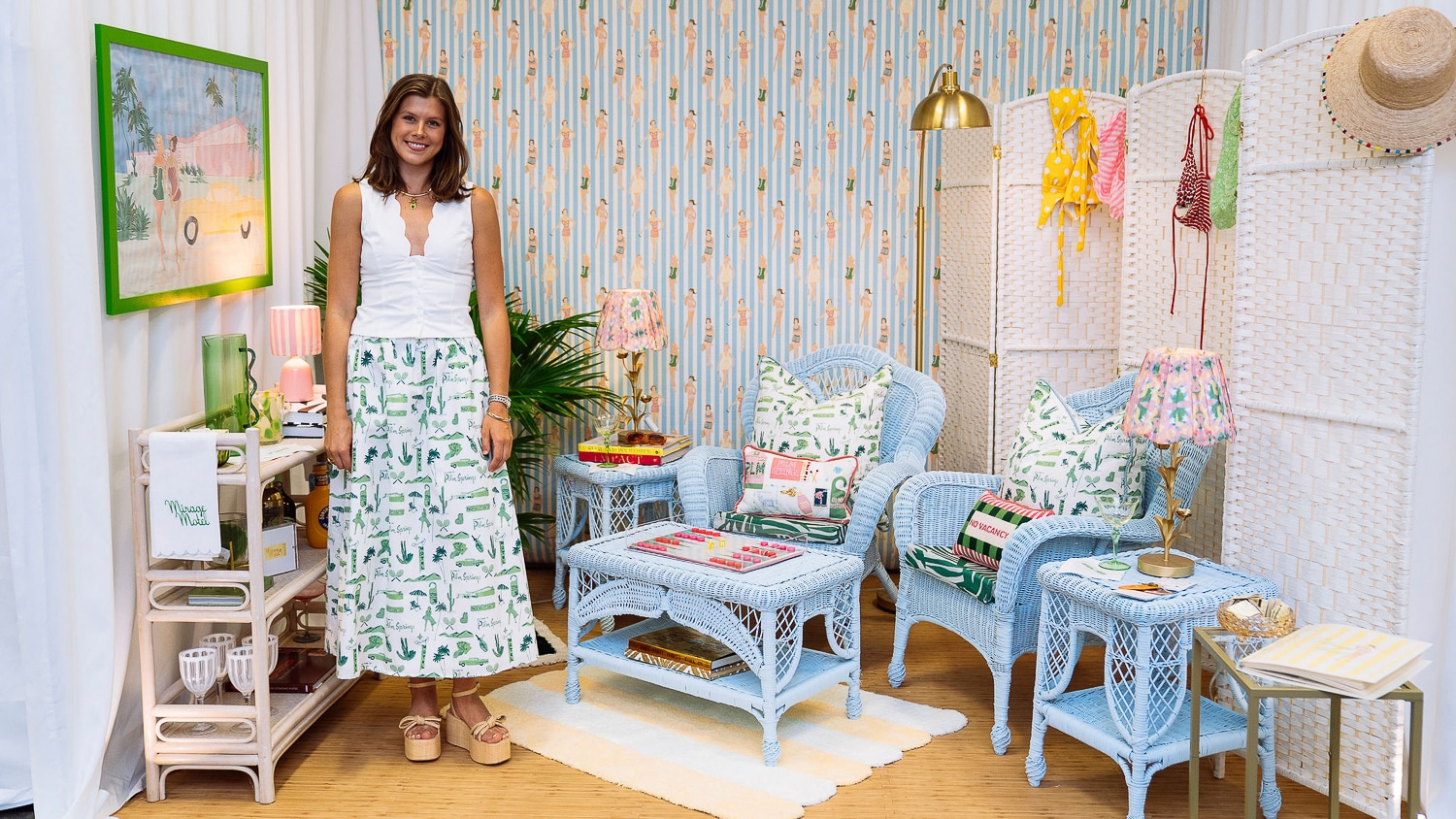
The paths between each student’s showroom serve as a portal between worlds. Walk straight ahead, and you’ll enter a retro-inspired Palm Springs living room. Turn right, and you’ll end up in a small fiber art gallery that makes a statement about the role of overconsumption as a coping mechanism. Go around the corner, and you’ll find yourself in a speakeasy (minus the cocktails).
What’s the common thread tying these otherwise conflicting spaces together? The designers.
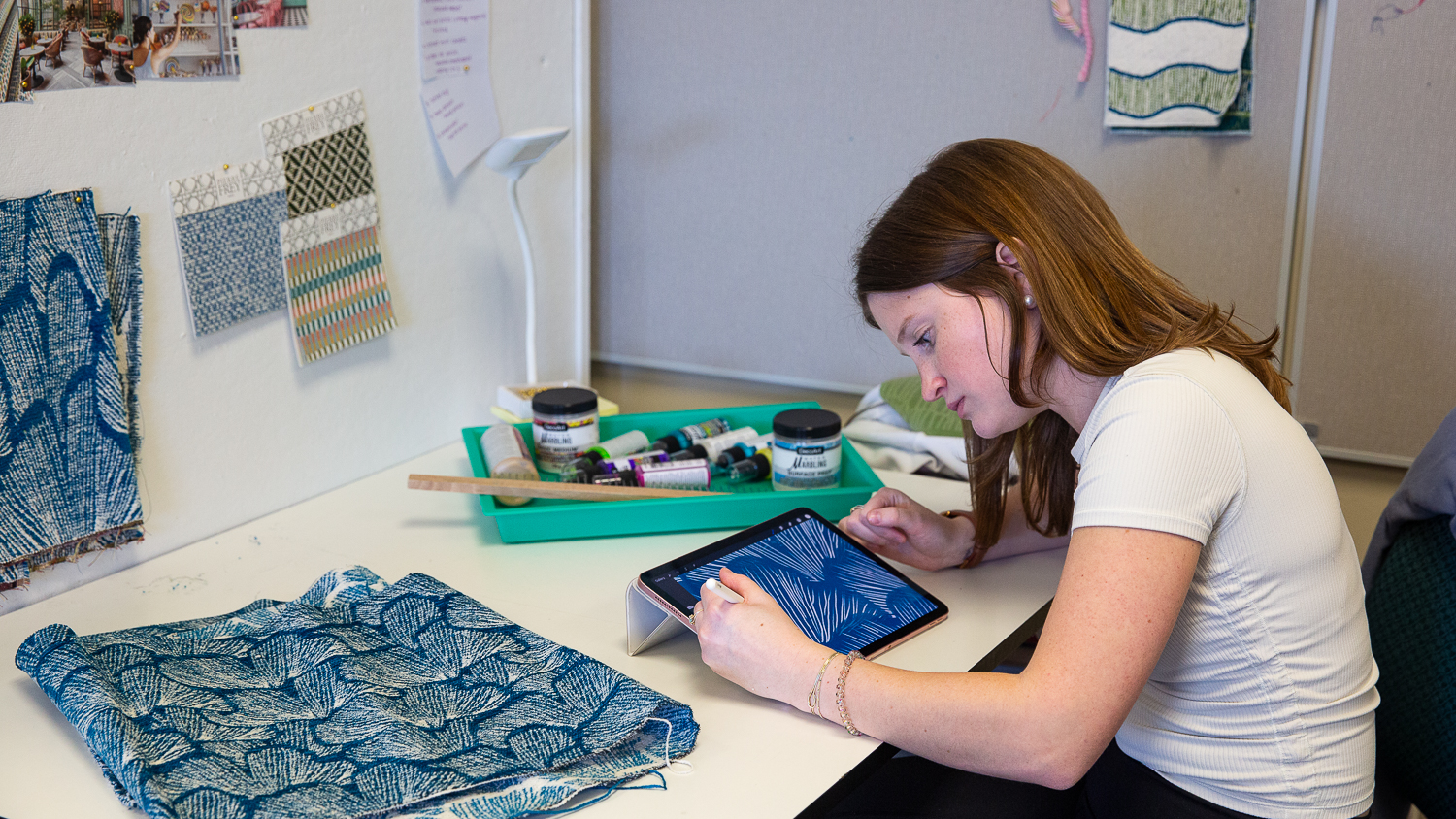
Each booth showcases the collections made by senior textile design students at the Wilson College of Textiles. All students majoring in fashion and textile design (FTD) spend the entirety of their semester-long capstone course developing their own collections. Those in the fashion design concentration send their final products down the runway, while those in the textile design concentration (TD) introduce their collections with a gala.
Over the course of the semester, they balance the joys of full creative freedom and access to state-of-the-art labs and studios with tough lessons in editing, cohesion and time management. The resulting skills and portfolio pieces land them positions at Nike, Kate Spade and other leading brands.
Watch the video above or keep reading to meet the designers behind a few of this year’s collections.
Beasley Gordon
- Collection Name: Mirage Motel
- Hometown: Charlotte, NC
What’s the inspiration behind your collection?
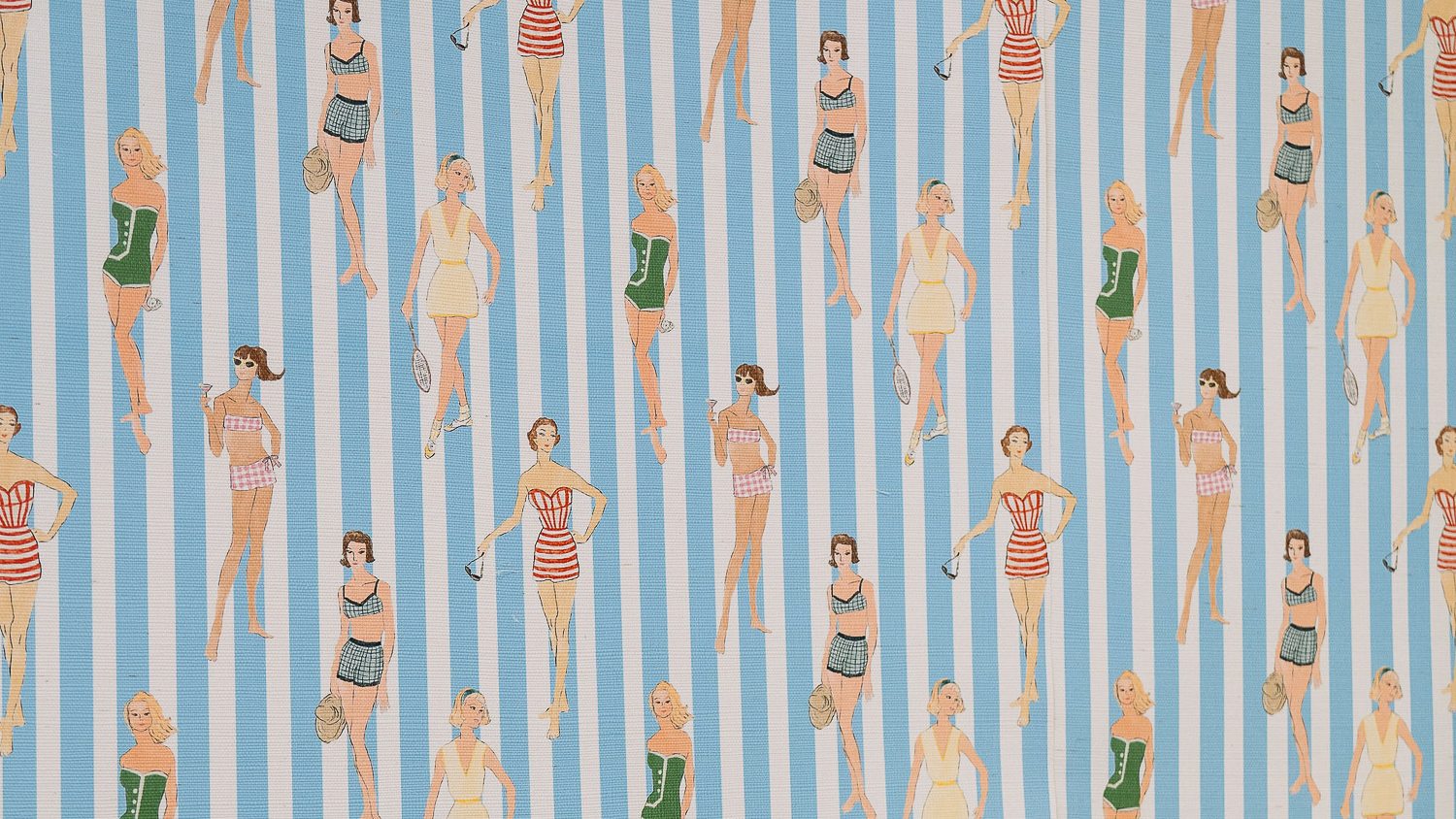
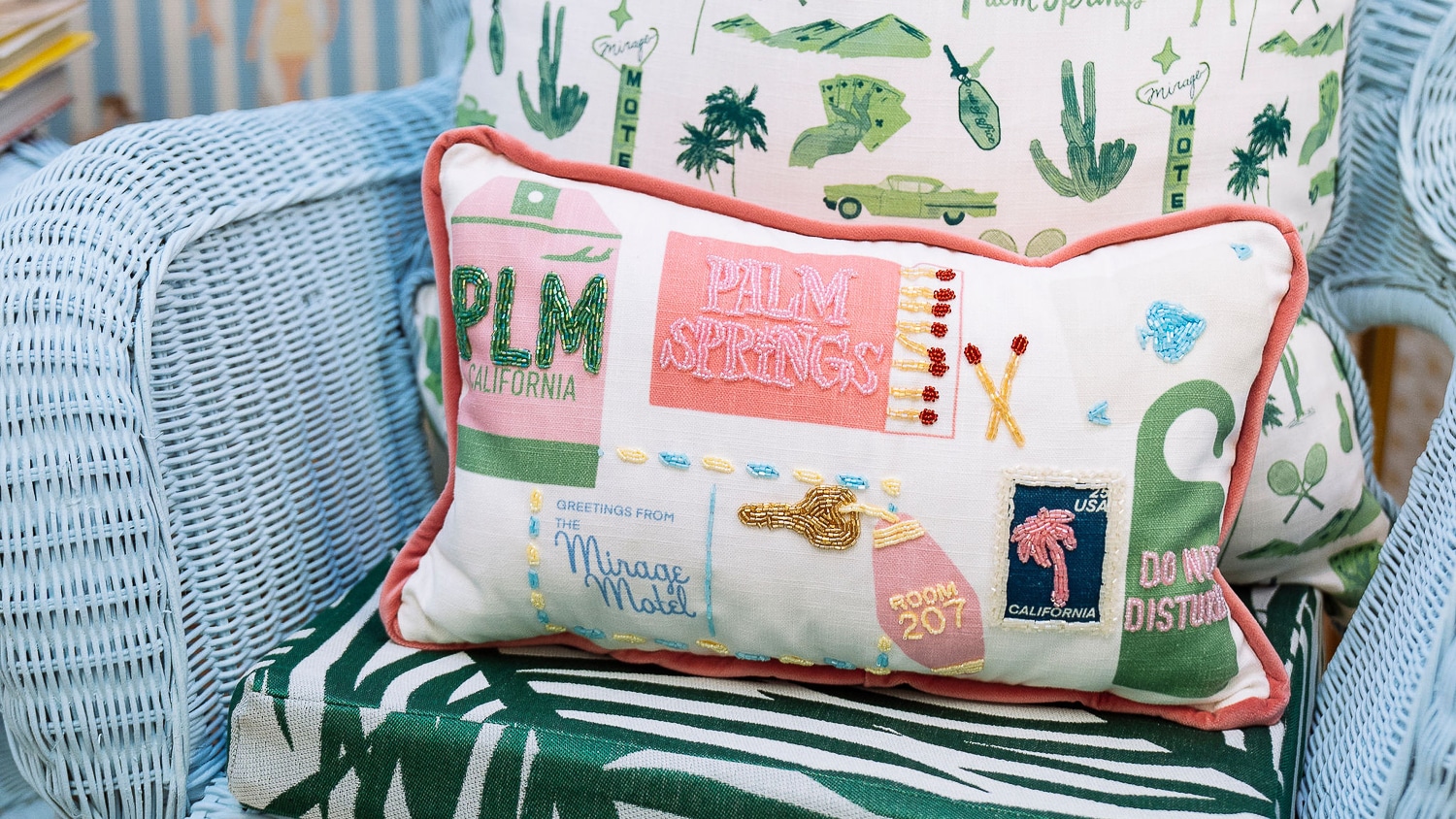
The inspiration for my collection is vintage Palm Springs, mid-century modern. It calls for being present in life and not worrying about the small things.
I really wanted to focus on those resort activities like tennis, hanging out by the pool, things you would do back then without the need for technology or phones.
Which technique did you gravitate towards the most?
I experimented a lot, and by-hand techniques resonated with me the most. So I started needlepointing for the first time. I started beading for the first time. I really enjoy the hands-on sort of thing and creating pieces myself, not through a machine.
But I also expanded on hand-drawn techniques. Drawing all the designs and making them into the repeat pattern is something that I love and that you can see through most of my collection.
How have you grown as a textile designer?
I’ve never created a collection as big as this, so it’s definitely been a challenge. I feel like I’ve grown in knowing what looks good together and how to piece together different scales of patterns and different textures.
Shayleigh Larsen
- Collection Name: Wabi Sabi
- Hometown: Raleigh, NC
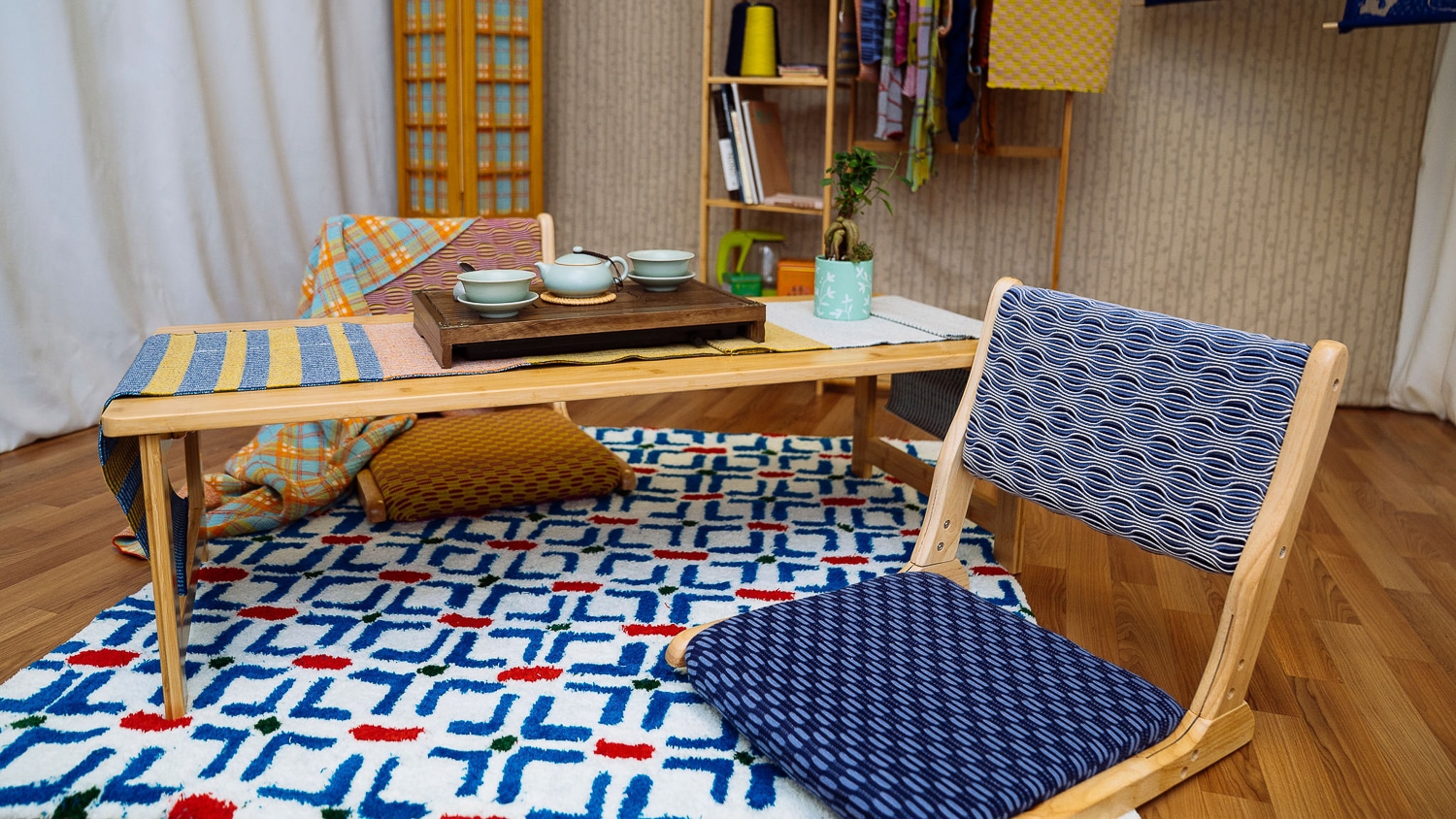
What’s the inspiration behind your collection?
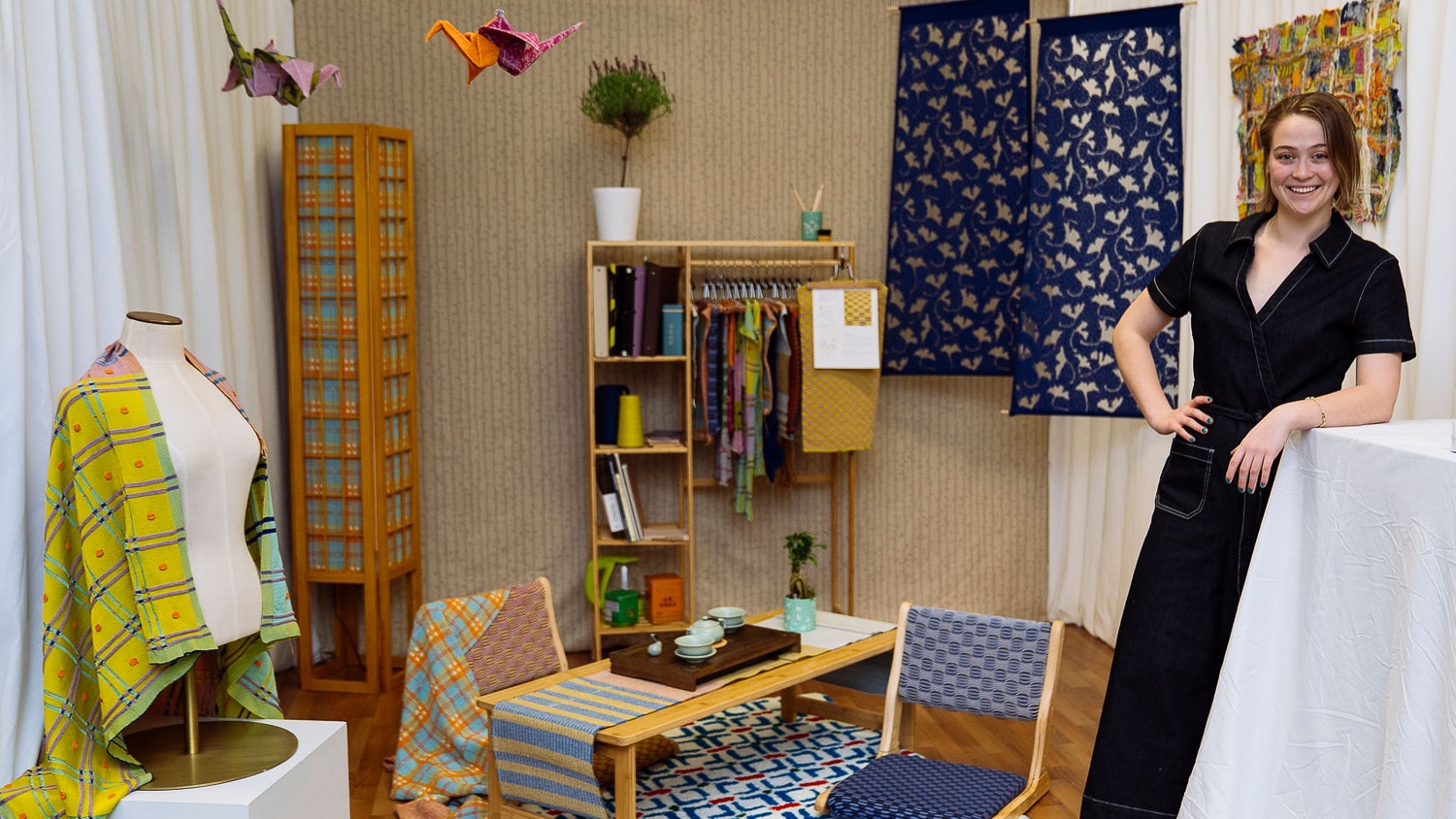
My collection is named after Wabi Sabi, which is essentially this Japanese principle of finding acceptance in the imperfections all around you.
I really wanted to use this kind of Japanese-inspired interior collection as a jumping off point, but then modernize it with these really vibrant colors that I saw when I studied abroad in Hong Kong. I remember one of the most shocking things is that the buildings were literally rainbow-colored. And, yeah, they were faded. But it was the fact that when I was walking in a city where the buildings were so tall I basically felt like I couldn’t see the sky, I’d still be able to see color all around me, and that made it beautiful.
I’ve also taken inspiration from Wabi Sabi by focusing on this quality over quantity feel. When I make mistakes with my pieces, I’ve found ways to make them beautiful.
Why did you decide to study textile design?
I knew I wanted to do something in textiles that mixed the scientific aspects of things with what could be artistic. There’s always been a part of me that loves beautiful things, and I didn’t feel like sacrificing that.
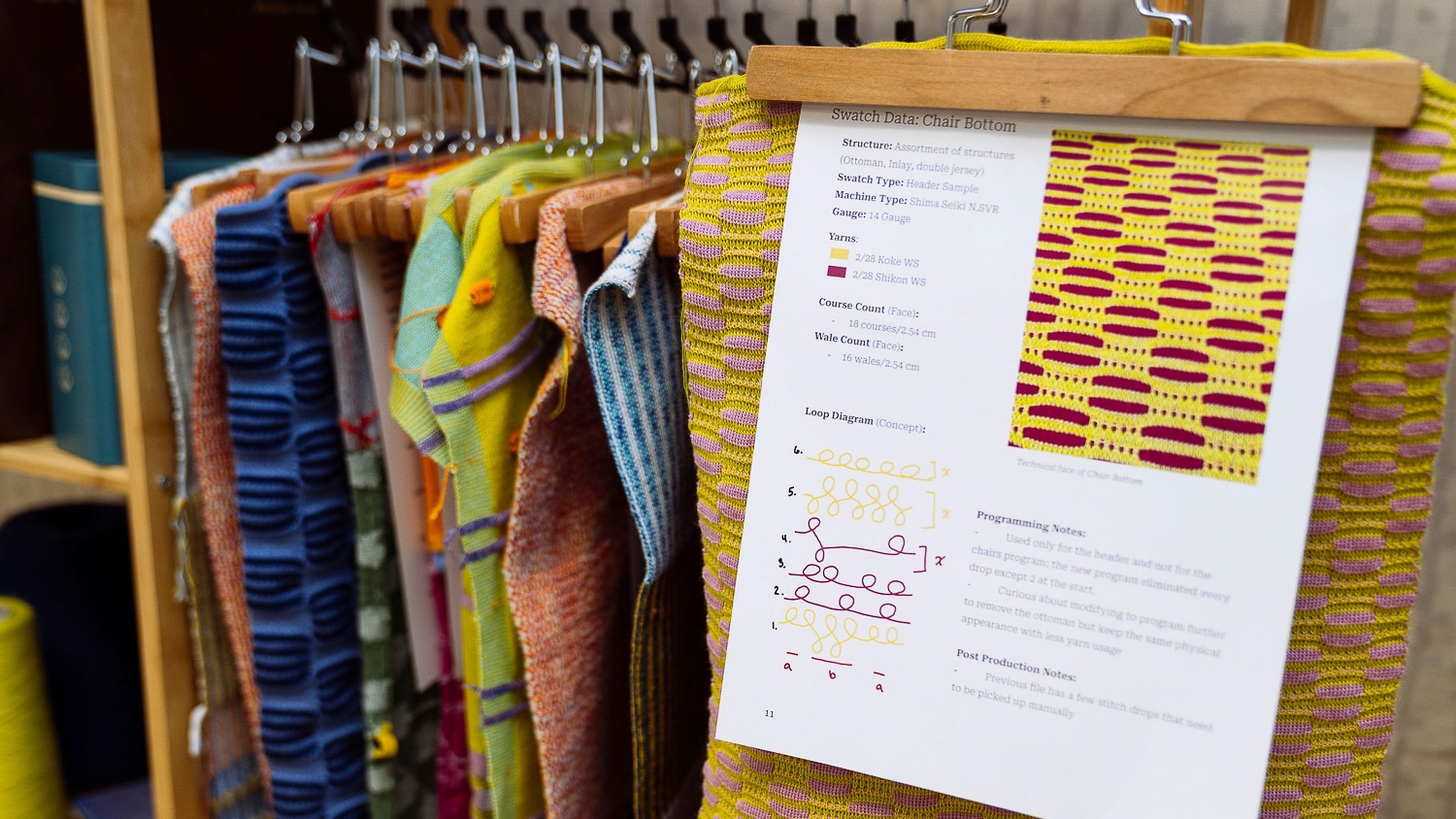
I felt like FTD was that perfect blend where I could still mess around with machines, but I could also make really beautiful final products.
How do you hope people feel when they see your collection?
I think I want people to feel like they’ve been taken to a completely different place.
The whole premise of my collection is this really calm, peaceful style, but then really amping it up with these bold, vibrant colors. So I’m hoping it makes people feel excited and calm at the same time. I know that’s a really weird combination, but that’s how I feel when I look at it!
Matthew Riddle
- Collection Name: An Allegory of Burning Light
- Hometown: Nashville, TN
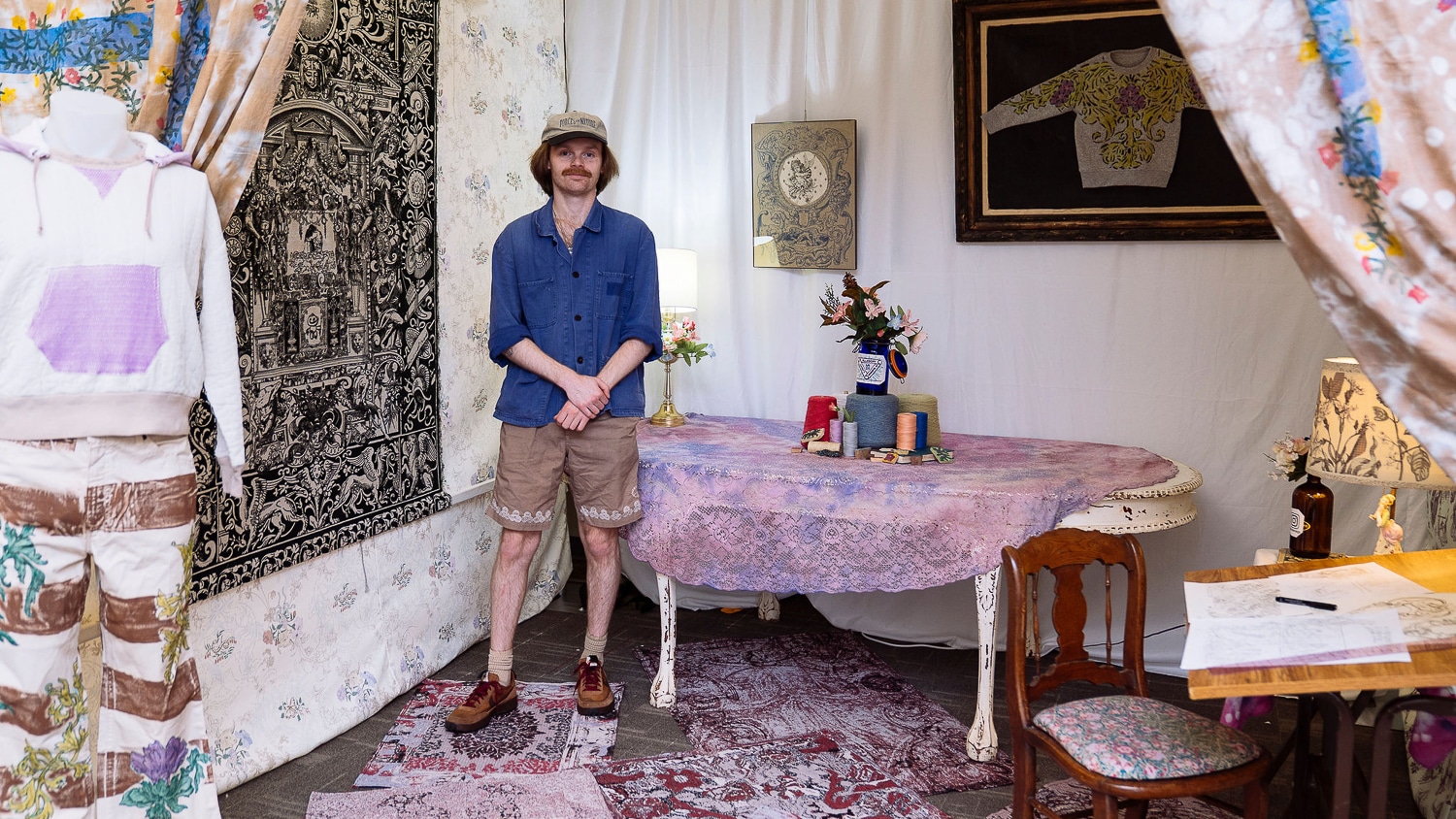
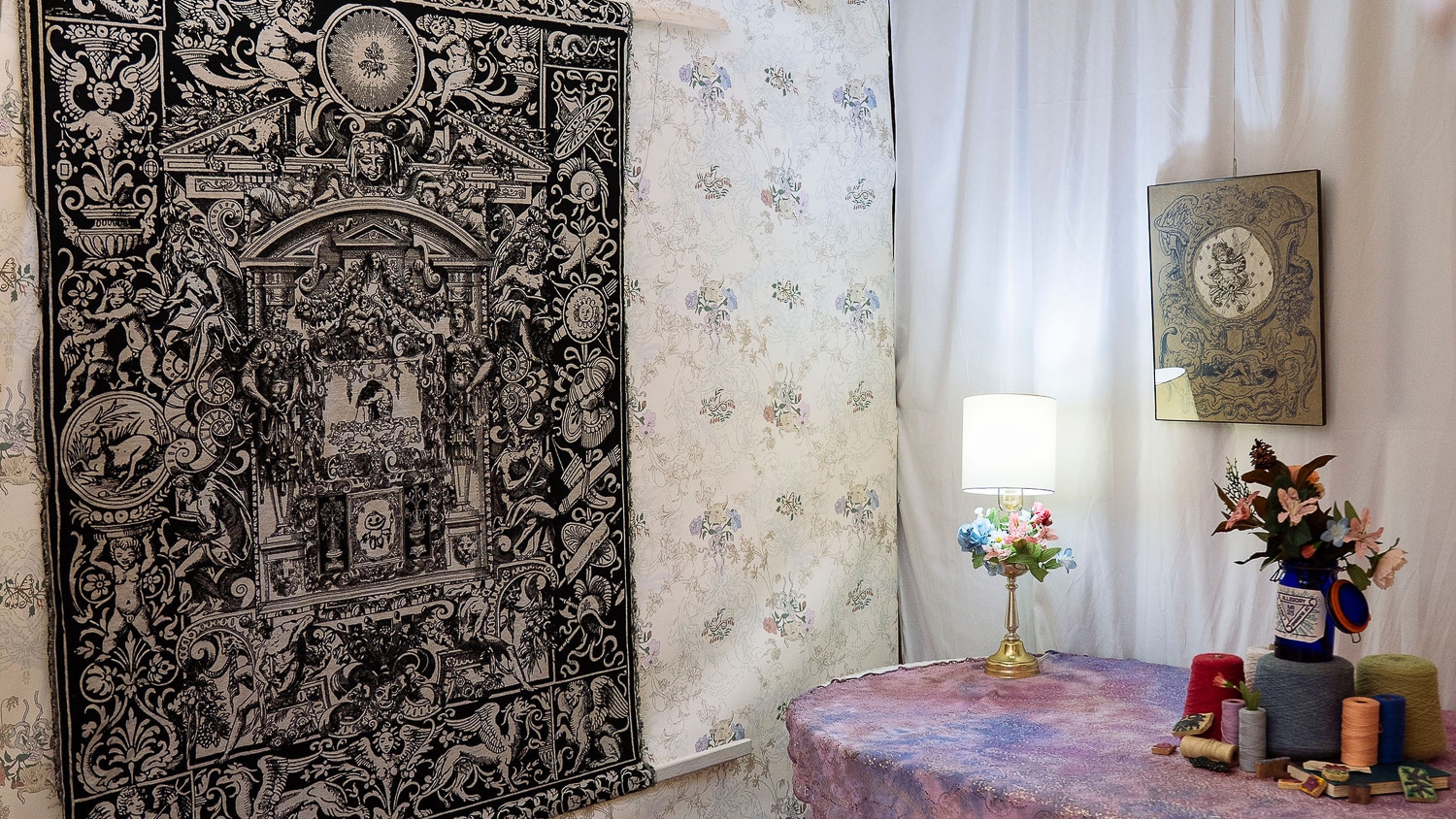
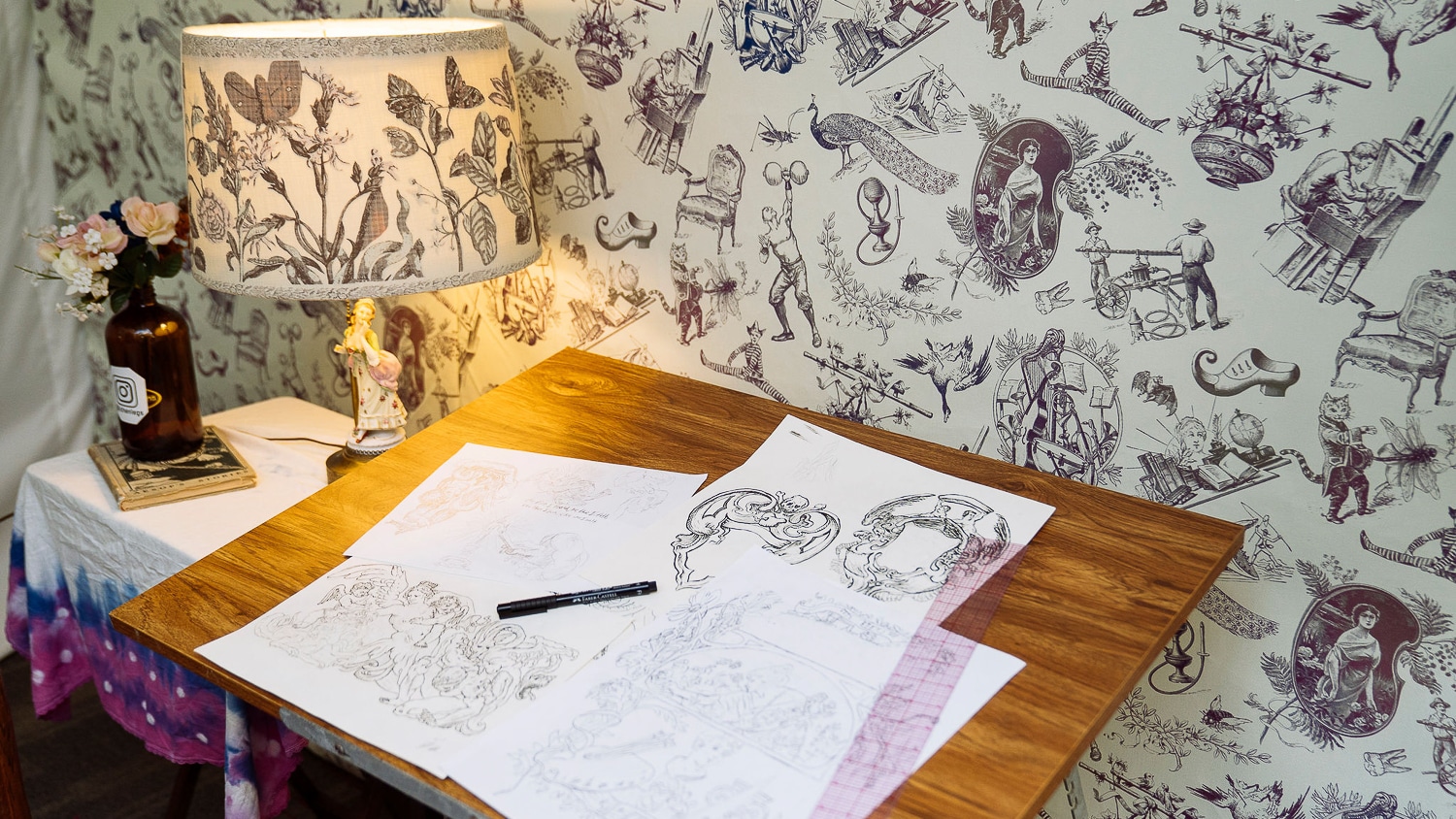
What’s the inspiration behind your collection?
It’s basically the weird, almost mystical, otherworldly things that artists feel drawn towards. I tell a lot of people that my work, when you look at it, it doesn’t really make sense.
And a lot of people are like, “Oh, what does it mean? What does it mean?” And, I’m like, you tell me.
I think a lot of my ideas about the collection started when I was studying abroad in Italy, because that experience had a huge influence on me artistically.
Which piece are you most proud of?
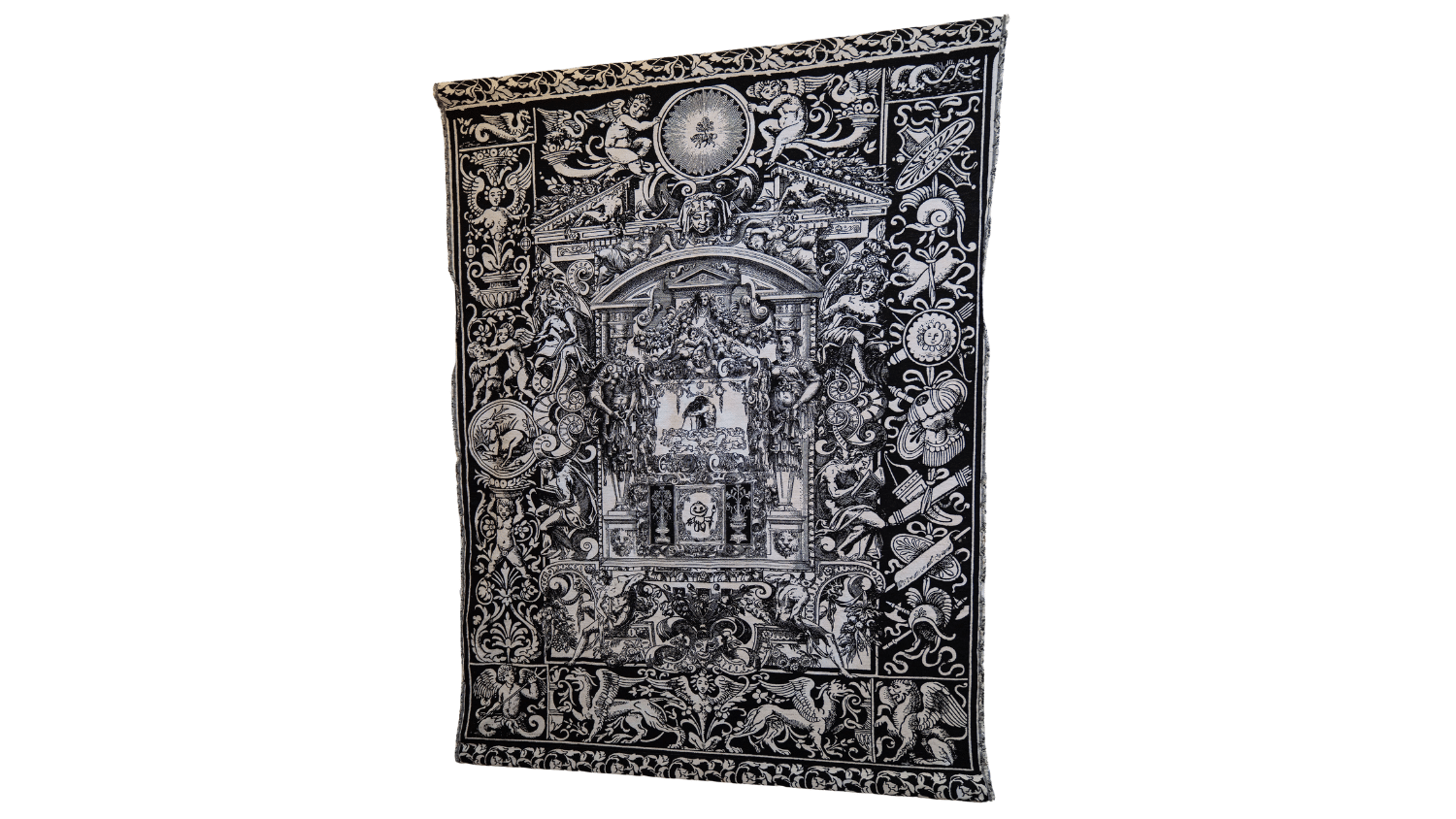
I designed a woven tapestry, and it’s full machine width, so 54 inches wide, and about seven or eight feet long, which is pretty big.
It was woven with a jacquard loom. With that type of loom, you can manipulate each stitch as a pixel in a Photoshop file, so you can make these super detailed, huge pieces. And I love it so much.
What technique did you gravitate towards the most?
Definitely screen printing. I worked over the summer managing the [screen printing] lab, which was really fun. So I kind of got to know the ropes. I love it there.
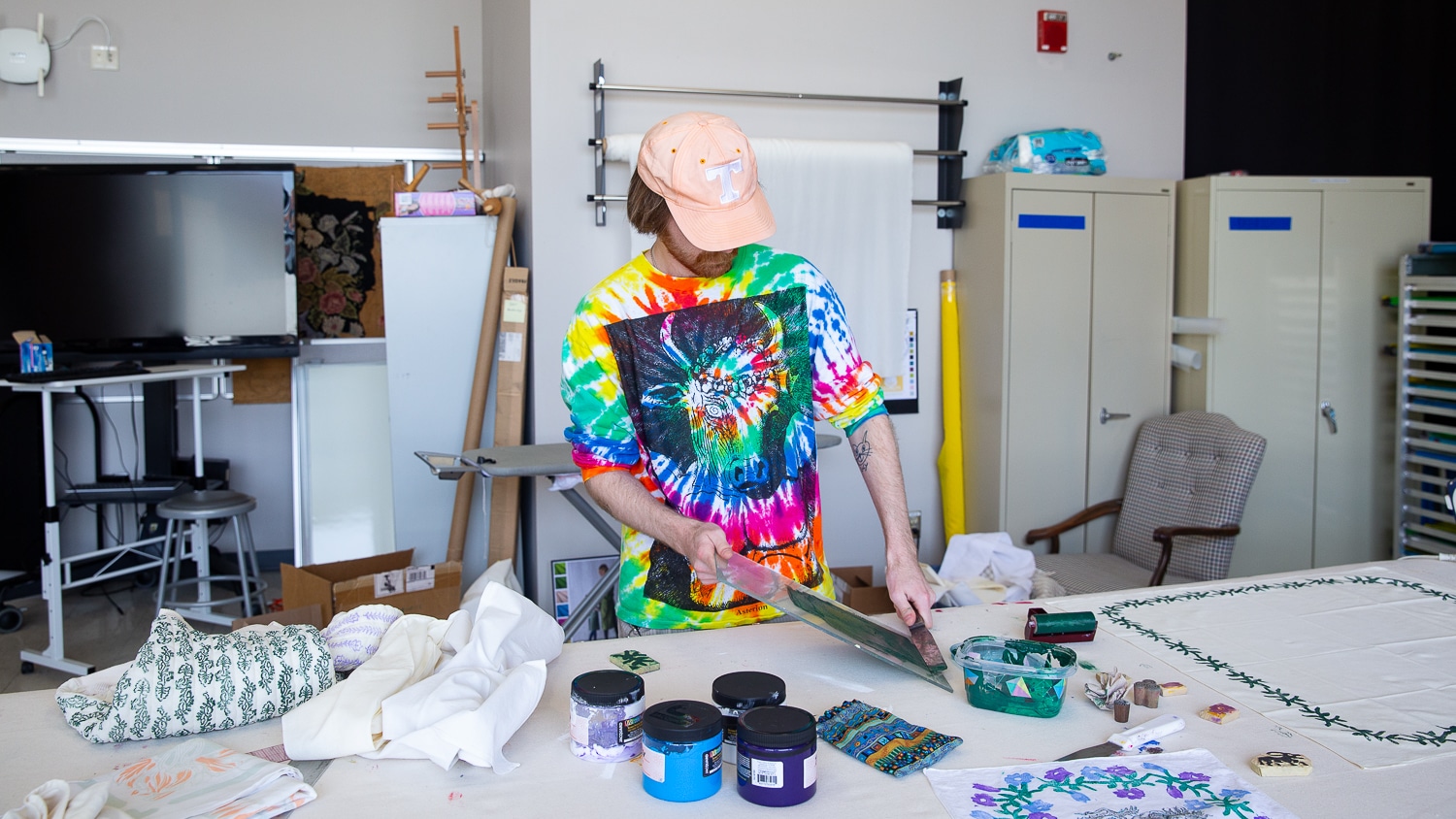
I think a lot of why I love it can be attributed to my interest in vintage fashion. I kind of had the typical upbringing of being into Supreme and brands like that in high school. Then, I settled into the vintage stuff and I started learning about it, especially the whole DIY aspect of concert tees and things like that.
I also just love looking at the different applications of printing, because block prints were also used on French and Indian textiles, which is more of a fine art application. You can kind of adapt the technique to any genre, which I think is really special.
- Categories: