Wilson College Students Attend FSF Live 2025
Wilson College of Textiles students Celia Fennell and Rachel Kelly detail their experiences with the FSF Case Study Program and 2025 FSF Live conference in NYC.
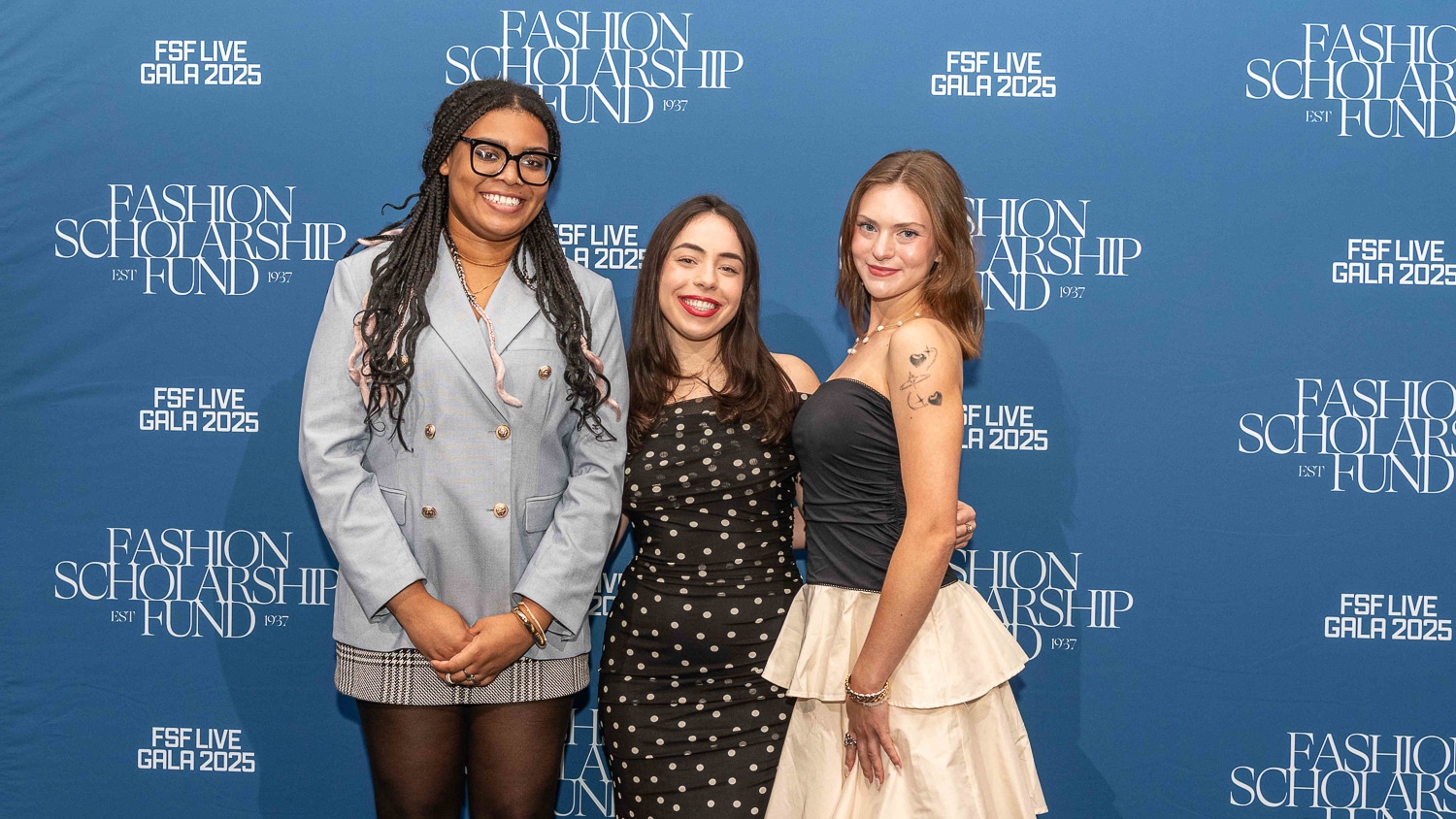
In April, two Wilson College of Textiles students attended the annual FSF Live event in New York City. Though thousands of students apply each year, only a select few are chosen and attend FSF Live.
The Fashion Scholarship Fund (FSF) is a non-profit organization that aims to enhance fashion oriented education. Each year, it awards over $1.9 million in scholarships to students across a multitude of fashion disciplines. The annual case study scholarship competition is its signature program. Selected applicants of this competition are named to that year’s class of FSF Scholars.
Every spring, FSF Live is held to celebrate the new class of scholars. Celia Fennell and Rachel Kelly were both recognized at this year’s event for their case study submissions. FSF Live 2025 hosted over 900 attendees including students, alumni and industry leaders.
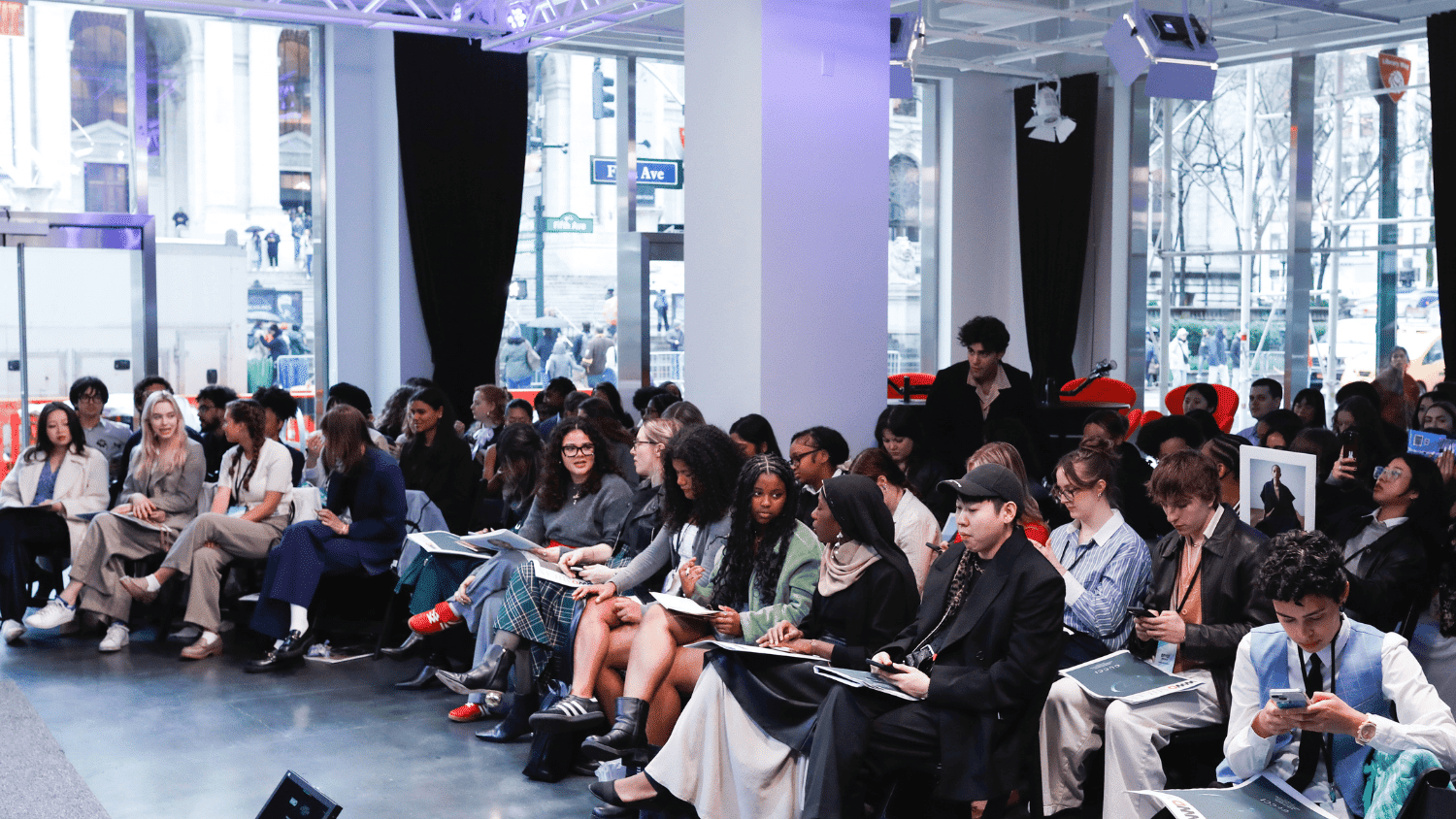
FSF Live was a three day event, consisting of a welcome session dinner and Q&A with KidSuper, a breakfast at Macy’s where students heard from the Macy’s Inc. CEO, a session at WWD, and finally the FSF Liva Gala held at the Glasshouse rooftop. Students were also able to visit the Skims flagship store the morning after the gala.
The benefits of becoming an FSF scholar are so much more than attending FSF Live, though the NYC event is a highlight of scholarship. Each scholar is awarded a scholarship of at least $10,000 and is enrolled in the FSF mentoring program. This program connects scholars with industry professionals to help prepare them for a future career in fashion. As an FSF scholar, students also gain access to a wide network of FSF alumni and industry partners.
Below, hear from the Wilson College of Textiles students about their experiences with the Case Study Program as well as FSF Live.
Celia Fennell (B.S. FTM-FDPM ’26)
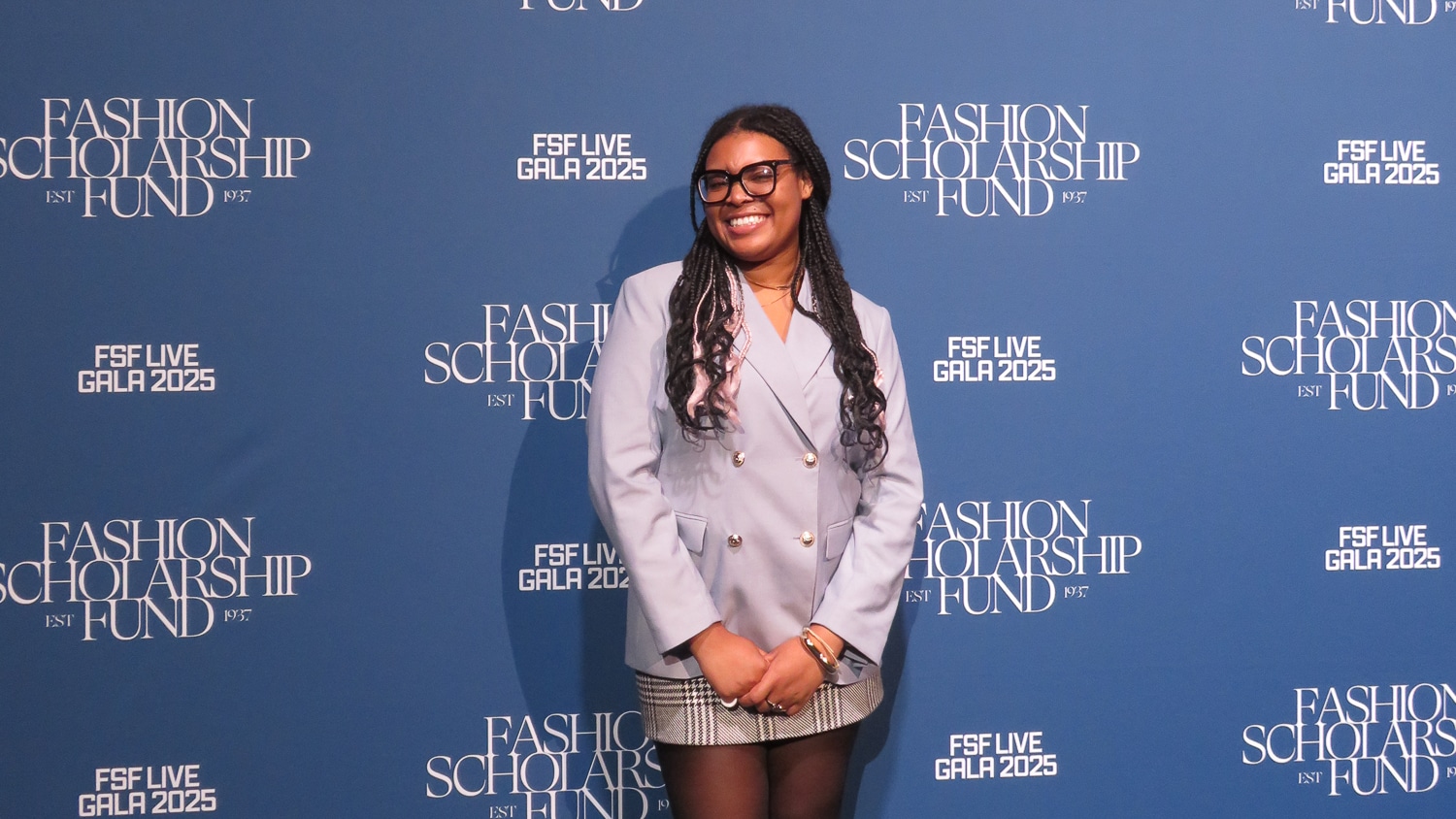
How did you find out about FSF Scholars?
I found out about FSF Scholars through opportunities shared with Textiles students through email. I first came across it midway through my sophomore year, but didn’t have time to apply, so I made it a goal to apply during my junior year.
Tell us more about your case study!
I submitted my case study in the design and product development category. My case study focused on the use of 3D fashion prototyping software in conjunction with 3D body scanning to create custom fit apparel with minimal waste. For my collection, I designed for Burberry because of the brand’s commitment to innovation within the realm of technology.
I did research into the abundance of textile waste created in the apparel production process and how creating 3D mockups prior to production could reduce waste. I also talked about the correlation between people purchasing custom fit clothing and how that can minimize waste and overconsumption.
What was your favorite part of the FSF trip?
My favorite part of the trip was either our welcome event at KidSuper Studios or the Gala. During our time at KidSuper we got to meet all the other scholars for the first time, and I met really cool people that I wouldn’t have gotten the chance to know otherwise.
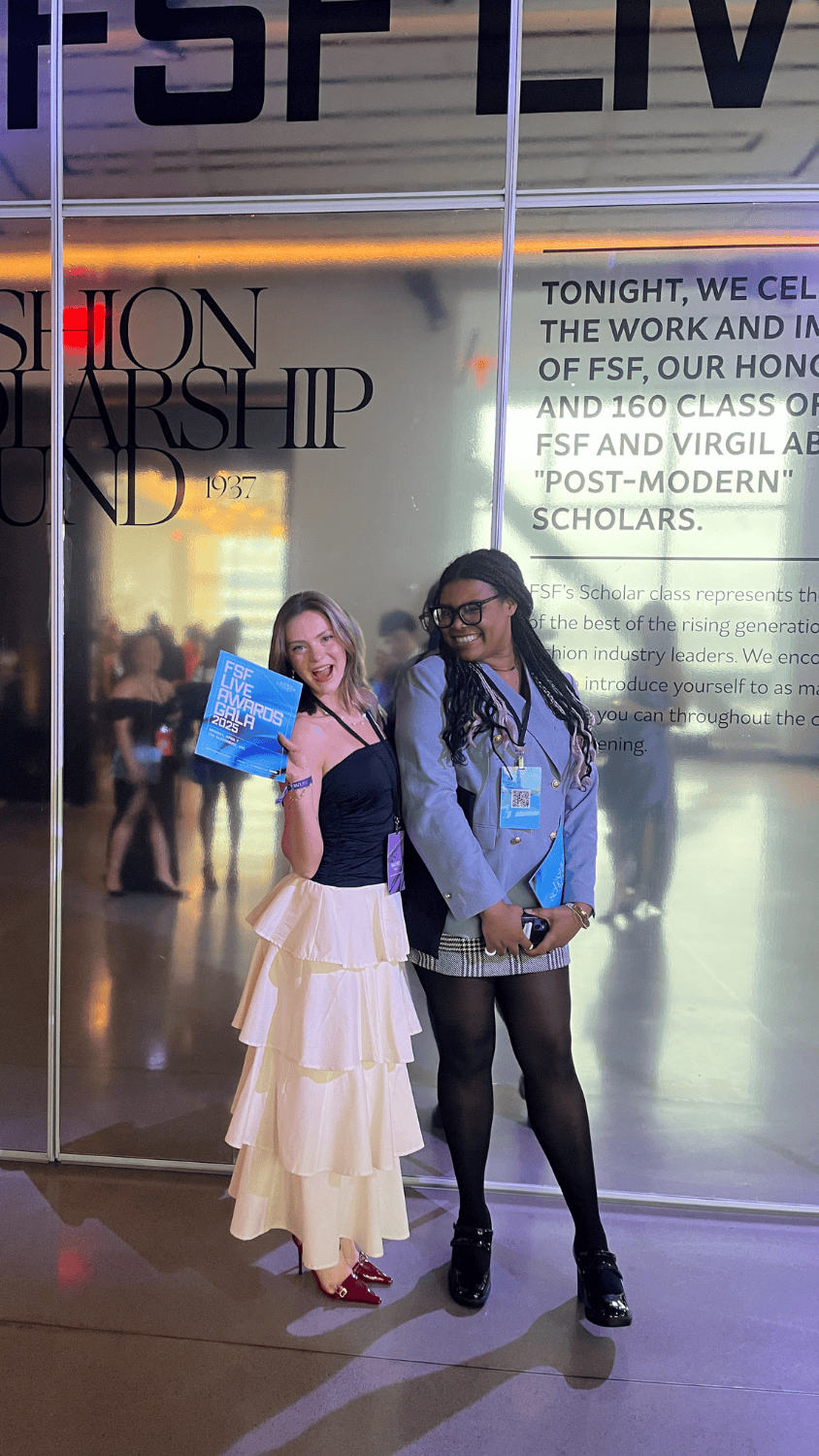
The Gala was the physical manifestation of many students’ hard work. Getting to see my name on the wall amongst so many other talented people made me even more proud of the work I did to get there. The atmosphere of the event was so cool and unlike anything I’ve ever been able to attend before.
What career field are you interested in pursuing after college? How do you think this experience has helped you prepare for that or influenced that?
After college, I’m interested in pursuing either technical fashion design or product development. I feel like my experience creating my case study helped me prepare for these fields because I got to work on so many different parts of the fashion production process, from drawing and designing, to creating tech flats, to selecting fabrics and creating 3D mockups of some designs in Clo3D.
Hearing from professionals in similar fields during the trip helped me get a better idea of how to make myself a better candidate for employers and how to leverage my experience as a scholar.
Are there any ways that you feel what you learned in class or other experiences at the Wilson College helped you with the case study or came in handy during the FSF trip?
Learning about and how to use Clo3D in some of my classes helped me with my case study, and I wouldn’t have known much about the program if it weren’t for the hands-on experience I got at the Wilson College.
Rachel Kelly (B.S. FTM-BMM ’26)
How did you find out about FSF Scholars?
I found out about the Fashion Scholarship Fund through an email from our career services director. Heading into my junior year, I knew I wanted to take on a project outside of class, something I could truly be passionate about. I had never completed an individual project of this scale before, but I saw it as the perfect opportunity to prove my abilities by crafting a solution for a brand I cared about.
FSF Live Recap!
Tell us more about your case study!
I competed in the marketing category and created a case study focused on BAGGU. I’m a big fan of BAGGU myself. I knew I wanted to choose a brand I was connected to and I was especially interested in exploring marketing strategies for an accessory-based brand.
I conducted extensive research on AI/AR trends, consumer behavior and brand insights, which led me to develop my marketing strategy: “BAGGU & Beyond – where virtuality meets real style.” The highlight of my strategy is a fun, interactive web tool called “Pack My BAGGU,” which lets shoppers virtually pack their BAGGU bags with an AI/AR-powered preview before purchase, testing how everyday items fit and affect the shape of their bag!
I also built a social media strategy focused on cultivating a sustainability-conscious community that celebrates self-expression and, of course, aesthetics!
What’s the most interesting or surprising thing you learned while completing the case study?
The value of outside perspectives! I asked friends and family, especially those in different fields, for feedback, and their insights helped me bring my idea to life. Their encouragement helped me refine my case study into something more complex and thought out than I originally imagined, and I learned so much about fashion-tech in the process.
Case Study Breakdown
Rachel Kelly shares the work that went into her winning FSF case study!
What was your favorite part of the FSF trip?
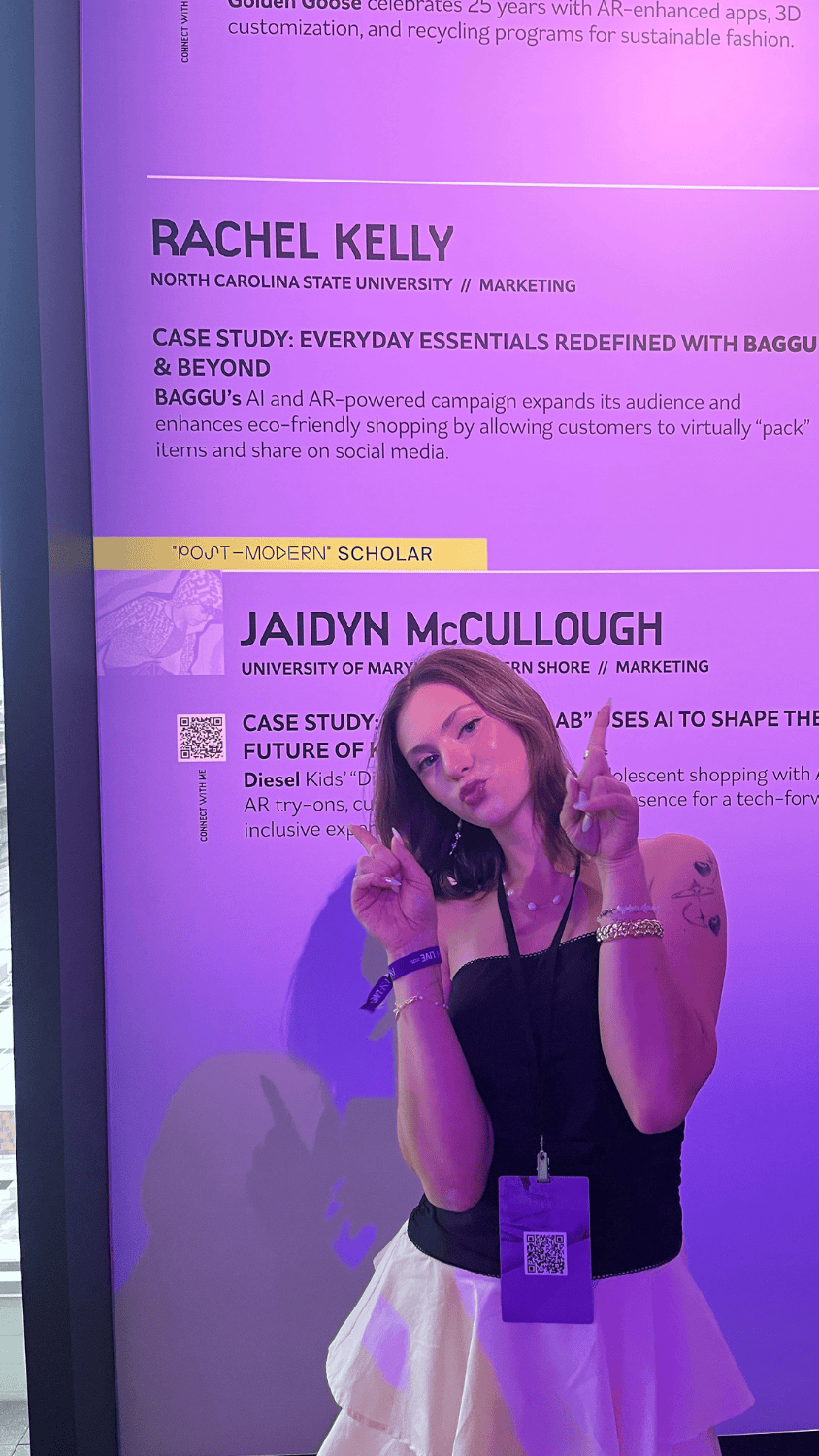
We had so many fun events like breakfasts with Macy’s and Skims, a presentation from WWD, a cocktail hour with KidSuper, and a jaw-dropping gala filled with celebrities. Playing dress up all weekend, meeting so many brilliant creatives and running around NYC with very little sleep was the best part!
I loved the breakfast with Macy’s the most because we got to hear from CEO Tony Spring and attend a social media and trend report panel. Everything they said resonated so strongly with me and my goals, and every question I could dream up, the panelists answered.
What career field are you interested in pursuing after college? How do you think this experience has helped you prepare for that or influenced that?
I’m passionate about social media and the FSF experience truly affirmed that for me. Through this experience, I’ve realized I’m drawn to two main paths: social media marketing for an apparel brand and social media content creation/coordination for a publication.
Before FSF, I hadn’t realized the role of social media teams behind major publications. FSF really opened my eyes to how broad the fashion industry is, especially within social media.
Are there any ways that you feel what you learned in class or other experiences at the Wilson College helped you with the case study or came in handy during the FSF trip?
Yes, one unexpected but helpful asset was my understanding of textile technology! Knowing the correct fiber names, weave structures and production methods helped me connect with design students and professionals. The Wilson College prioritizes a well-rounded education that emphasizes both creativity and technical understanding, which has proved to be very valuable for me!
- Categories: